
Benefits of Cloud-Based Project Management Platforms
In today’s fast-paced business environment, project management is no longer a luxury, but a necessity. Successfully managing projects, whether they are small internal initiatives or large-scale client engagements, requires careful planning, execution, and collaboration. Traditional project management methods, often relying on spreadsheets, email chains, and in-person meetings, can be cumbersome, inefficient, and prone to errors. This is where cloud-based project management platforms step in, offering a modern and streamlined approach to project execution.
Cloud-based project management platforms leverage the power of the internet to provide a centralized and accessible hub for all project-related information. They offer a wide array of features, including task management, scheduling, resource allocation, communication tools, and reporting capabilities. This allows teams to collaborate effectively, track progress in real-time, and make data-driven decisions, regardless of their location. The shift to the cloud has revolutionized how projects are managed, enabling greater agility, transparency, and ultimately, improved project outcomes.
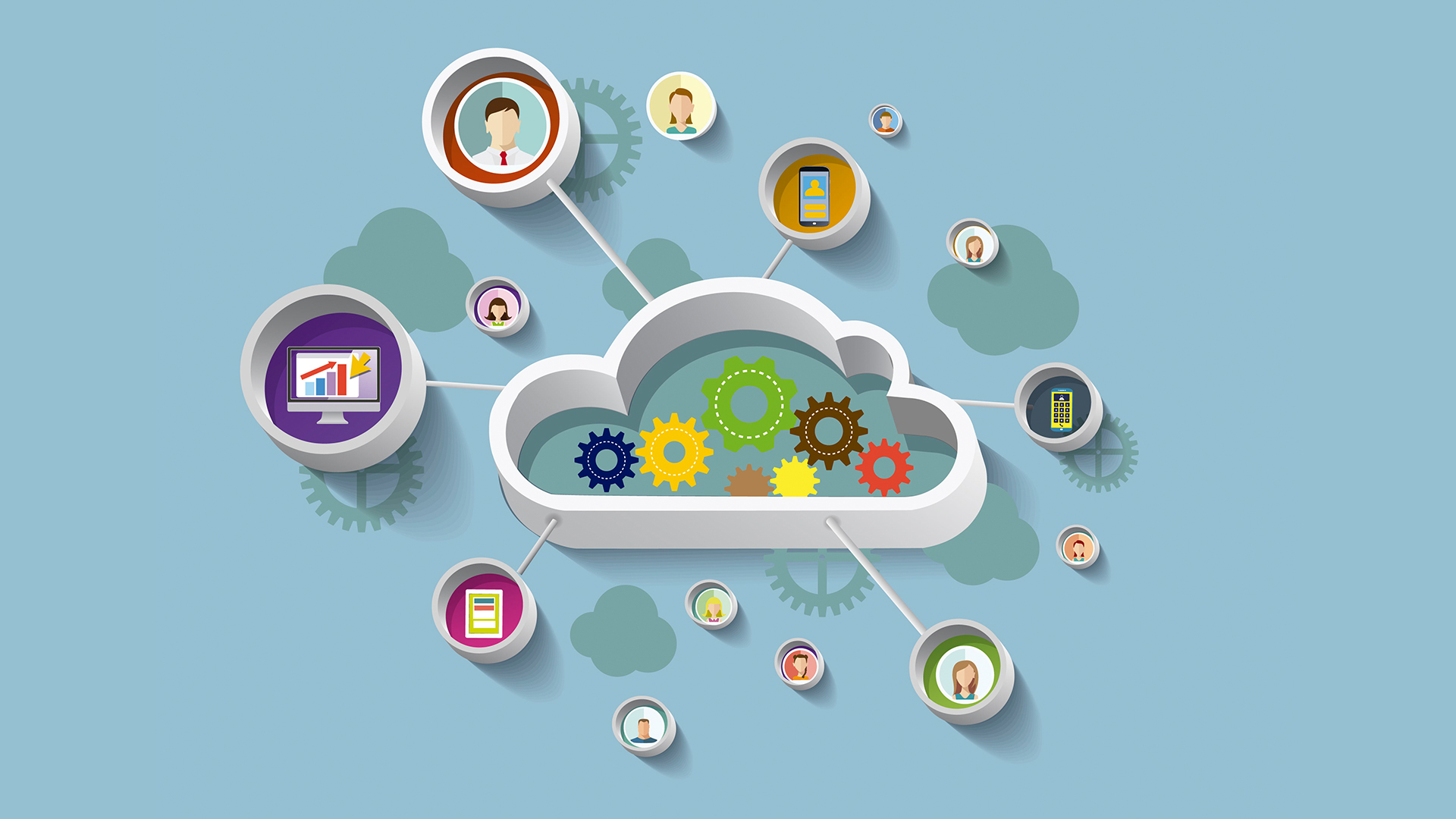
This article will delve into the numerous benefits of adopting cloud-based project management platforms. We will explore how these platforms can enhance collaboration, improve efficiency, reduce costs, and provide valuable insights into project performance. By understanding the advantages of cloud-based solutions, businesses can make informed decisions about whether to embrace this technology and transform their project management practices for the better.
Enhanced Collaboration and Communication
One of the most significant benefits of cloud-based project management platforms is their ability to foster seamless collaboration and communication among team members. Unlike traditional methods where information is scattered across emails and documents, these platforms provide a centralized hub for all project-related communication.
Centralized Communication Hub
Cloud platforms offer features like task-specific comments, direct messaging, and integrated discussion forums. This eliminates the need for lengthy email threads and ensures that all communication is readily available and easily searchable. Team members can quickly access relevant conversations, understand the context, and contribute their insights, regardless of their location or time zone.
Real-Time Updates and Notifications
These platforms provide real-time updates on project progress, task completion, and any changes to schedules or deadlines. Automated notifications ensure that team members are promptly informed of any updates that require their attention. This helps to prevent delays, misunderstandings, and potential roadblocks.
Improved Teamwork and Transparency
By providing a transparent view of project activities and communication, cloud platforms promote a sense of shared ownership and accountability. Team members can easily see what others are working on, identify potential dependencies, and offer assistance when needed. This fosters a collaborative environment where everyone is working towards the same goals.
Increased Efficiency and Productivity
Cloud-based project management platforms streamline workflows and automate many of the manual tasks associated with traditional project management. This leads to significant gains in efficiency and productivity.
Automated Task Management
These platforms allow users to easily create, assign, and track tasks. Automated workflows can be set up to trigger actions based on task completion, ensuring that tasks are moved through the project pipeline smoothly. This reduces the risk of tasks falling through the cracks and helps to keep projects on schedule.
Streamlined Scheduling and Resource Allocation
Cloud platforms offer powerful scheduling tools that allow project managers to create realistic timelines, allocate resources effectively, and identify potential bottlenecks. Visual Gantt charts and calendars provide a clear overview of project progress and resource availability. This helps to optimize resource utilization and prevent over-allocation.
Improved Time Management
By providing clear task assignments, deadlines, and progress tracking, cloud platforms help team members to manage their time more effectively. Features like time tracking and reporting allow individuals to see how they are spending their time and identify areas where they can improve their productivity.
Cost Reduction and Resource Optimization
Implementing a cloud-based project management platform can lead to significant cost savings and improved resource optimization.
Reduced Infrastructure Costs
Unlike traditional on-premise software, cloud platforms eliminate the need for expensive hardware, software licenses, and IT support. This reduces upfront investment and ongoing maintenance costs. The platform provider handles all the technical aspects, allowing businesses to focus on their core competencies.
Improved Resource Utilization
By providing clear visibility into resource availability and project workloads, cloud platforms help to optimize resource utilization. Project managers can allocate resources more effectively, preventing over-allocation and ensuring that the right people are working on the right tasks at the right time. This leads to improved project outcomes and reduced costs.
Lower Travel and Meeting Costs
The enhanced communication and collaboration features of cloud platforms reduce the need for frequent in-person meetings and travel. Team members can collaborate remotely, share documents, and track progress online, saving time and money.
Enhanced Data Security and Accessibility
Cloud-based project management platforms offer robust security measures and ensure that project data is accessible from anywhere with an internet connection.
Robust Security Measures
Reputable cloud providers invest heavily in security infrastructure and implement industry-leading security practices to protect user data. This includes encryption, firewalls, and regular security audits. Data is typically stored in multiple geographically diverse data centers, ensuring redundancy and minimizing the risk of data loss.
Accessibility from Anywhere
Cloud platforms are accessible from any device with an internet connection, allowing team members to work from anywhere in the world. This is particularly beneficial for remote teams and organizations with geographically dispersed offices. Accessibility also ensures that project information is readily available to stakeholders, regardless of their location. As computing power continues to evolve, cloud storage solutions are becoming increasingly prevalent for data management
.
Data Backup and Recovery
Cloud providers typically offer automated data backup and recovery services, ensuring that project data is protected against loss or corruption. In the event of a disaster, data can be quickly restored, minimizing downtime and preventing significant disruptions to project operations.
Improved Reporting and Analytics
Cloud-based project management platforms provide powerful reporting and analytics capabilities that allow project managers to track progress, identify trends, and make data-driven decisions.
Real-Time Progress Tracking
These platforms offer real-time dashboards and reports that provide a clear overview of project progress. Project managers can track key metrics such as task completion rates, budget expenditures, and resource utilization. This allows them to identify potential issues early on and take corrective action.
Data-Driven Decision Making
The data collected by cloud platforms can be used to identify trends, patterns, and areas for improvement. Project managers can analyze project performance data to optimize processes, improve resource allocation, and make more informed decisions. This leads to improved project outcomes and increased efficiency.
Customizable Reports and Dashboards
Many cloud platforms offer customizable reports and dashboards that allow users to tailor the information to their specific needs. Project managers can create reports that focus on specific metrics, track progress against key performance indicators (KPIs), and identify areas where further investigation is needed.
Scalability and Flexibility
Cloud-based project management platforms are highly scalable and flexible, allowing businesses to easily adapt to changing project requirements and organizational growth.
Scalable Resources
Cloud platforms can easily scale up or down to accommodate changing project needs. Businesses can add or remove users, storage space, and features as required, without having to invest in expensive hardware or software. This allows them to adapt quickly to changing market conditions and project demands.
Flexibility and Customization
Many cloud platforms offer a high degree of flexibility and customization. Businesses can tailor the platform to their specific needs, configuring workflows, customizing reports, and integrating with other business systems. This ensures that the platform meets the unique requirements of their organization.
Integration with Other Business Systems
Cloud platforms often integrate with other business systems, such as CRM, accounting, and HR software. This allows for seamless data exchange and eliminates the need for manual data entry. Integration improves efficiency, reduces errors, and provides a holistic view of the business.
Conclusion
The benefits of cloud-based project management platforms are undeniable. From enhanced collaboration and increased efficiency to cost reduction and improved reporting, these platforms offer a wide range of advantages for businesses of all sizes. By embracing cloud technology, organizations can transform their project management practices, improve project outcomes, and gain a competitive edge in today’s dynamic business environment.
The transition to a cloud-based project management platform requires careful planning and consideration. It’s important to choose a platform that meets the specific needs of the organization and provides the necessary features and functionality. Thorough training and support are also essential to ensure that team members can effectively utilize the platform and realize its full potential. However, the long-term benefits of adopting a cloud-based solution far outweigh the initial investment and effort.
As businesses continue to embrace digital transformation, cloud-based project management platforms will become increasingly essential for successful project execution. By leveraging the power of the cloud, organizations can streamline workflows, improve collaboration, reduce costs, and gain valuable insights into project performance, ultimately leading to improved business outcomes and increased success.
Frequently Asked Questions (FAQ) about Benefits of Cloud-Based Project Management Platforms
What are the key advantages of using a cloud-based project management platform compared to traditional, on-premise software?
Cloud-based project management platforms offer several significant advantages over traditional on-premise solutions. Firstly, they provide enhanced accessibility and collaboration. Teams can access project data and collaborate in real-time from anywhere with an internet connection, fostering better communication and faster decision-making. Secondly, cloud platforms typically offer lower upfront costs. You avoid large investments in hardware and IT infrastructure, opting instead for a subscription-based model. Thirdly, scalability and flexibility are key benefits. Cloud solutions easily scale to accommodate growing project needs and can be tailored to specific workflows, whereas on-premise solutions often require significant upgrades. Finally, cloud platforms generally offer better data security and disaster recovery. Reputable providers invest heavily in security measures and automatic backups, minimizing the risk of data loss and downtime.
How does using a cloud-based project management system improve team collaboration and communication for remote teams?
Cloud-based project management systems significantly enhance team collaboration and communication, especially for remote teams. These platforms offer a centralized hub for all project-related information, ensuring everyone is on the same page. Features like real-time document sharing and co-editing eliminate version control issues and streamline workflows. Integrated communication tools, such as instant messaging and video conferencing, facilitate seamless discussions and quick problem-solving, regardless of location. Furthermore, task assignment and progress tracking features provide transparency and accountability, allowing team members to monitor their contributions and identify potential roadblocks. With improved visibility and communication, remote teams can work more effectively, meet deadlines, and achieve project goals more efficiently. The ability to centralize feedback and approvals also eliminates email chains and ensures timely decision-making.
What are the cost-saving benefits of implementing a cloud-based project management solution for small businesses and startups?
Implementing a cloud-based project management solution offers numerous cost-saving benefits for small businesses and startups. One of the most significant is the reduction in IT infrastructure costs. Cloud solutions eliminate the need for expensive servers, hardware maintenance, and dedicated IT staff, leading to considerable savings. Furthermore, cloud platforms typically operate on a subscription-based model, allowing businesses to pay only for the features they need and scale their usage as they grow. This flexible pricing model helps control expenses and avoid unnecessary investments. Increased efficiency and productivity also contribute to cost savings. By streamlining workflows, improving communication, and automating tasks, cloud-based platforms enable teams to accomplish more with fewer resources. Finally, cloud solutions offer better data security and backup, reducing the risk of costly data loss and downtime, which can be particularly damaging for small businesses.


