
Choosing the Right Cloud Vendor for Government Organizations
Government organizations face unique challenges when it comes to technology adoption. Unlike private sector businesses driven primarily by profit, government agencies must prioritize citizen services, data security, regulatory compliance, and efficient use of taxpayer dollars. The decision to migrate to the cloud, therefore, is a complex one, demanding careful consideration and a strategic approach. Choosing the right cloud vendor is paramount, as it directly impacts the agency’s ability to deliver its mission-critical services and maintain public trust.
This article aims to provide a comprehensive guide for government organizations navigating the cloud vendor selection process. We’ll explore the key considerations, from understanding specific agency needs and compliance requirements to evaluating vendor capabilities and security protocols. By understanding these factors, government organizations can make informed decisions and select a cloud vendor that aligns with their strategic objectives and ensures a successful cloud migration.
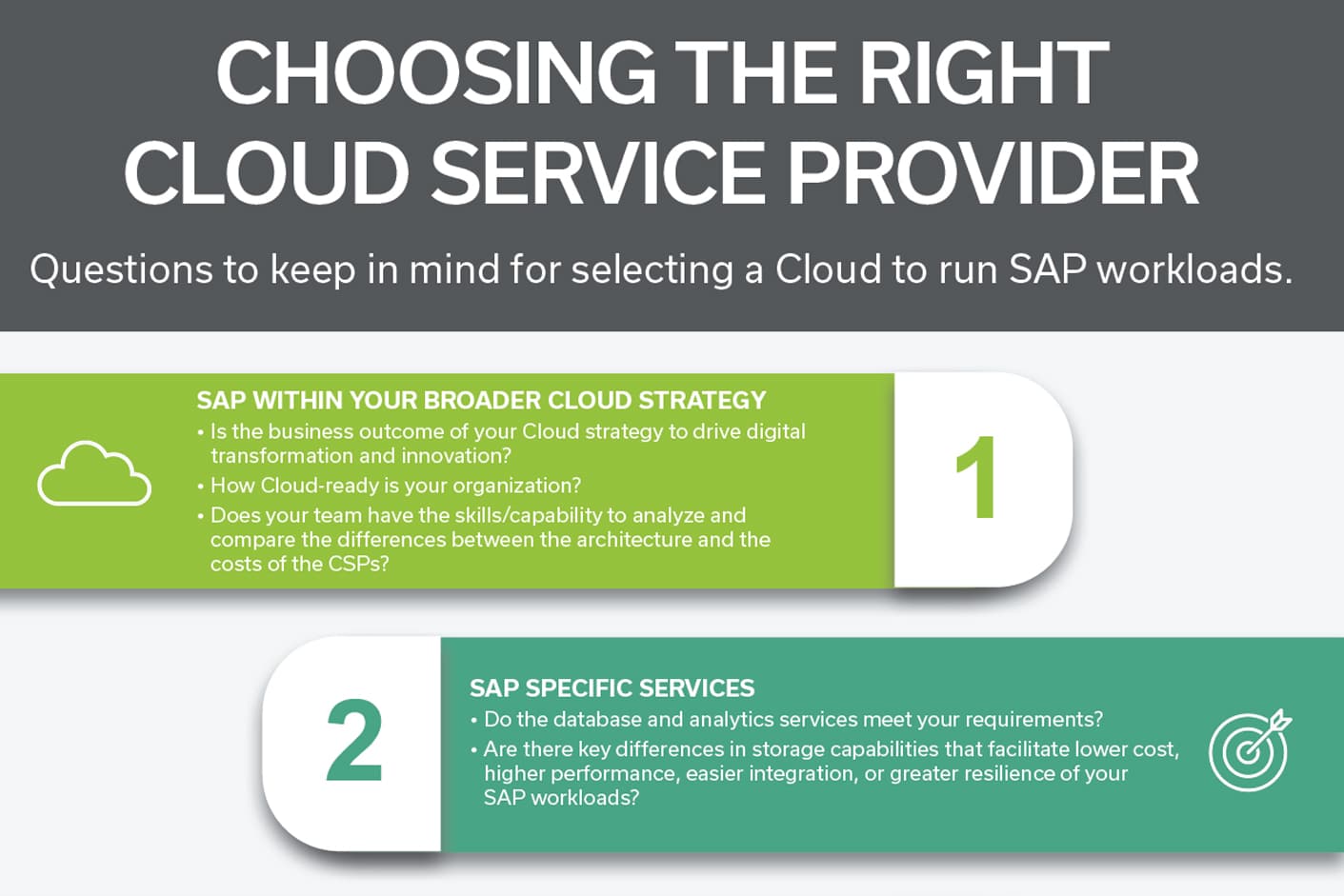
Moving to the cloud can offer significant advantages for government agencies, including increased agility, cost savings, and improved citizen services. However, the complexities of government regulations, data sensitivity, and legacy systems require a tailored approach. This guide will help you navigate these complexities and empower you to choose the right cloud vendor to achieve your agency’s goals while maintaining the highest standards of security and compliance.
Understanding Government Cloud Requirements
Before even beginning to evaluate potential cloud vendors, government organizations must have a clear understanding of their specific requirements. This involves a thorough assessment of current infrastructure, future needs, and the regulatory landscape.
Defining Agency Needs and Objectives
Start by identifying the specific challenges the agency hopes to address by moving to the cloud. This could include reducing IT costs, improving data accessibility, enhancing security, or enabling new citizen services. Clearly define the objectives and key performance indicators (KPIs) that will be used to measure the success of the cloud migration. For example, an objective could be to reduce IT infrastructure costs by 20% within three years, measured by tracking actual IT spending against pre-migration costs.
Identifying Data Sensitivity and Security Classifications
Government data often includes sensitive information such as personally identifiable information (PII), protected health information (PHI), and national security data. Classify the data according to its sensitivity level and identify the specific security requirements associated with each classification. This will inform the vendor selection process and ensure that the chosen vendor can provide the necessary security controls to protect sensitive data. Consider factors like data encryption, access controls, and data residency.
Compliance Requirements and Regulatory Frameworks
Government organizations are subject to a wide range of compliance requirements, including federal regulations like FedRAMP, FISMA, and state-specific data privacy laws. Understand the specific compliance requirements that apply to your agency and ensure that the cloud vendor can meet those requirements. FedRAMP authorization, in particular, is a critical requirement for many federal agencies. State and local governments should research their individual state’s security and data privacy requirements.
Evaluating Cloud Vendor Capabilities
Once the agency’s requirements are clearly defined, the next step is to evaluate the capabilities of potential cloud vendors. This involves assessing their service offerings, security protocols, compliance certifications, and support services.
Assessing Service Offerings (IaaS, PaaS, SaaS)
Cloud vendors offer a variety of service models, including Infrastructure as a Service (IaaS), Platform as a Service (PaaS), and Software as a Service (SaaS). Determine which service model best aligns with the agency’s needs and capabilities. IaaS provides the most flexibility and control, while SaaS offers the most convenience. PaaS provides a middle ground, allowing developers to build and deploy applications without managing the underlying infrastructure. Consider whether you need to migrate existing applications (potentially favoring IaaS) or build new cloud-native applications (potentially favoring PaaS).
Evaluating Security Protocols and Certifications
Security is paramount for government organizations. Evaluate the vendor’s security protocols, including data encryption, access controls, intrusion detection systems, and incident response plans. Verify that the vendor has obtained relevant security certifications, such as FedRAMP authorization or ISO 27001 certification. Ask for independent audit reports and penetration testing results to gain a deeper understanding of the vendor’s security posture. Investigate the vendor’s track record regarding security incidents and data breaches.
Assessing Data Residency and Sovereignty
Data residency and sovereignty requirements dictate where data must be stored and processed. Some government regulations require that data be stored within a specific geographic region or country. Ensure that the cloud vendor can meet these requirements and provide guarantees regarding data residency and sovereignty. This is particularly important for agencies dealing with highly sensitive data or data subject to international regulations.
Evaluating Support and Service Level Agreements (SLAs)
Reliable support and clear service level agreements (SLAs) are essential for ensuring the availability and performance of cloud services. Evaluate the vendor’s support offerings, including response times, escalation procedures, and training resources. Carefully review the SLAs to understand the vendor’s commitments regarding uptime, performance, and data recovery. Ensure that the SLAs include penalties for failing to meet the agreed-upon service levels. As companies consider long-term strategies, cloud adoption is becoming increasingly vital for scalable infrastructure
.
Key Considerations for Government Cloud Adoption
Beyond the technical and security aspects, several other factors are crucial for successful cloud adoption in government organizations.
Cost Analysis and Budgeting
While cloud services can offer significant cost savings, it’s important to conduct a thorough cost analysis to understand the total cost of ownership (TCO). This includes not only the direct costs of cloud services but also indirect costs such as migration, training, and ongoing management. Develop a detailed budget that accounts for all costs associated with the cloud migration and ongoing operations. Consider pay-as-you-go pricing models carefully and understand how costs can fluctuate based on usage.
Data Migration and Integration Strategies
Migrating data to the cloud can be a complex and time-consuming process. Develop a comprehensive data migration strategy that addresses data cleansing, transformation, and transfer. Consider using specialized data migration tools and services to streamline the process and minimize downtime. Ensure that the cloud environment can seamlessly integrate with existing on-premise systems and applications. This may require building APIs or using middleware to connect different systems.
Change Management and User Training
Cloud adoption requires significant changes to IT processes and workflows. Develop a comprehensive change management plan to address these changes and ensure that employees are properly trained on the new cloud environment. Provide training on cloud security best practices and the proper use of cloud-based tools and applications. Effective communication and stakeholder engagement are crucial for successful change management.
Vendor Lock-in and Portability
Vendor lock-in can be a significant concern for government organizations. Choose a cloud vendor that supports open standards and provides tools for data portability. Consider multi-cloud or hybrid cloud strategies to avoid being locked into a single vendor. Regularly evaluate the vendor’s offerings and pricing to ensure that they remain competitive. Have a plan in place for migrating data and applications to another cloud vendor if necessary.
The Selection Process: A Step-by-Step Approach
Developing a Request for Proposal (RFP)
A well-crafted RFP is crucial for soliciting proposals from qualified cloud vendors. The RFP should clearly define the agency’s requirements, objectives, and evaluation criteria. Include detailed specifications for security, compliance, and performance. Be specific about the information you require from vendors, such as their experience working with government agencies, their security certifications, and their pricing models.
Evaluating Vendor Proposals and Conducting Due Diligence
Carefully evaluate vendor proposals based on the criteria outlined in the RFP. Conduct thorough due diligence to verify the vendor’s claims and assess their financial stability. Check references and contact other government agencies that have used the vendor’s services. Consider conducting a proof-of-concept (POC) to test the vendor’s capabilities in a real-world environment. Pay close attention to the vendor’s security posture and their ability to meet the agency’s compliance requirements.
Negotiating Contracts and Service Level Agreements
Negotiate contracts and service level agreements (SLAs) that protect the agency’s interests. Ensure that the contracts clearly define the vendor’s responsibilities, liabilities, and termination rights. Negotiate favorable pricing terms and ensure that the SLAs include penalties for failing to meet the agreed-upon service levels. Seek legal counsel to review the contracts and ensure that they are legally sound.
Conclusion
Choosing the right cloud vendor is a critical decision for government organizations. By carefully considering the factors outlined in this article, agencies can make informed decisions and select a vendor that aligns with their strategic objectives and ensures a successful cloud migration. Remember to prioritize security, compliance, and data privacy throughout the vendor selection process. A well-planned and executed cloud migration can significantly improve government services and enhance the efficiency of government operations, ultimately benefiting citizens.
Frequently Asked Questions (FAQ) about Choosing the Right Cloud Vendor for Government Organizations
What are the most important security considerations when government organizations choose a cloud vendor, and how can they ensure data sovereignty and compliance?
When government entities select a cloud vendor, security is paramount. Key considerations include stringent access controls, robust encryption (both in transit and at rest), and proactive threat detection and response capabilities. Look for vendors offering FedRAMP authorization or equivalent certifications relevant to your specific jurisdiction. Data sovereignty is another crucial aspect. Government organizations must ensure that their data resides within their national borders and is subject to their laws. This often involves negotiating specific contract terms with the cloud vendor. To ensure compliance, carefully review the vendor’s adherence to regulations like GDPR, HIPAA (if applicable), and any other relevant government-specific mandates. Thorough due diligence, including security audits and penetration testing, is essential. Furthermore, a clear understanding of the cloud vendor’s incident response plan and data breach notification procedures is critical.
How can government agencies evaluate the cost-effectiveness of different cloud deployment models (IaaS, PaaS, SaaS) when migrating to the cloud, and what are some hidden costs to be aware of?
Evaluating the cost-effectiveness of cloud deployment models (IaaS, PaaS, SaaS) requires a comprehensive Total Cost of Ownership (TCO) analysis. IaaS provides the most control but demands more internal IT management, potentially increasing operational costs. PaaS offers a balance, reducing infrastructure management but requiring application development expertise. SaaS is generally the simplest and most cost-effective for specific applications, but offers the least customization. When calculating cost-effectiveness, consider factors like compute resources, storage, bandwidth, and software licenses. Hidden costs often include data egress charges (fees for transferring data out of the cloud), support costs, training expenses, and the cost of integrating the cloud platform with existing on-premises systems. Additionally, factor in the cost of security tools and compliance efforts. A detailed cost model, including both direct and indirect expenses, is crucial for making an informed decision.
What strategies can government organizations use to avoid vendor lock-in when adopting cloud services, and how can they ensure interoperability and data portability with different cloud providers?
Vendor lock-in is a significant concern when adopting cloud services. To mitigate this risk, government organizations should prioritize open standards and interoperability. Choosing cloud vendors that support open-source technologies and industry-standard APIs facilitates data portability. Implementing a multi-cloud or hybrid cloud strategy can also reduce dependence on a single vendor. Utilizing containerization technologies like Docker and Kubernetes allows applications to be easily moved between different cloud environments. A well-defined data management strategy, including standardized data formats and APIs, is crucial for ensuring data portability. When negotiating contracts, ensure clear clauses regarding data ownership, data extraction procedures, and termination rights. Regularly backing up data and testing data restoration procedures are essential steps. Employing cloud management platforms can provide a centralized view and control over multiple cloud environments, further reducing vendor lock-in and improving interoperability.


