
Smart Cities and the Role of Cloud Infrastructure
The concept of a “Smart City” has moved from futuristic vision to tangible reality. These urban centers leverage technology and data to improve the quality of life for their citizens, enhance sustainability, and boost economic growth. From intelligent transportation systems that optimize traffic flow to smart grids that manage energy consumption, the possibilities are vast. However, the sheer volume of data generated and the complexity of the systems involved necessitate a robust and scalable infrastructure. This is where cloud computing comes into play, providing the backbone for Smart City initiatives.
Cloud infrastructure offers Smart Cities the ability to process, store, and analyze vast amounts of data in real-time. This data-driven approach enables city planners and administrators to make informed decisions based on evidence, rather than relying on guesswork. Think about it: sensors collecting data on air quality, traffic patterns, and energy usage, all feeding into a central cloud platform. This platform then analyzes the data, identifies trends, and provides actionable insights that can be used to improve city services and infrastructure.
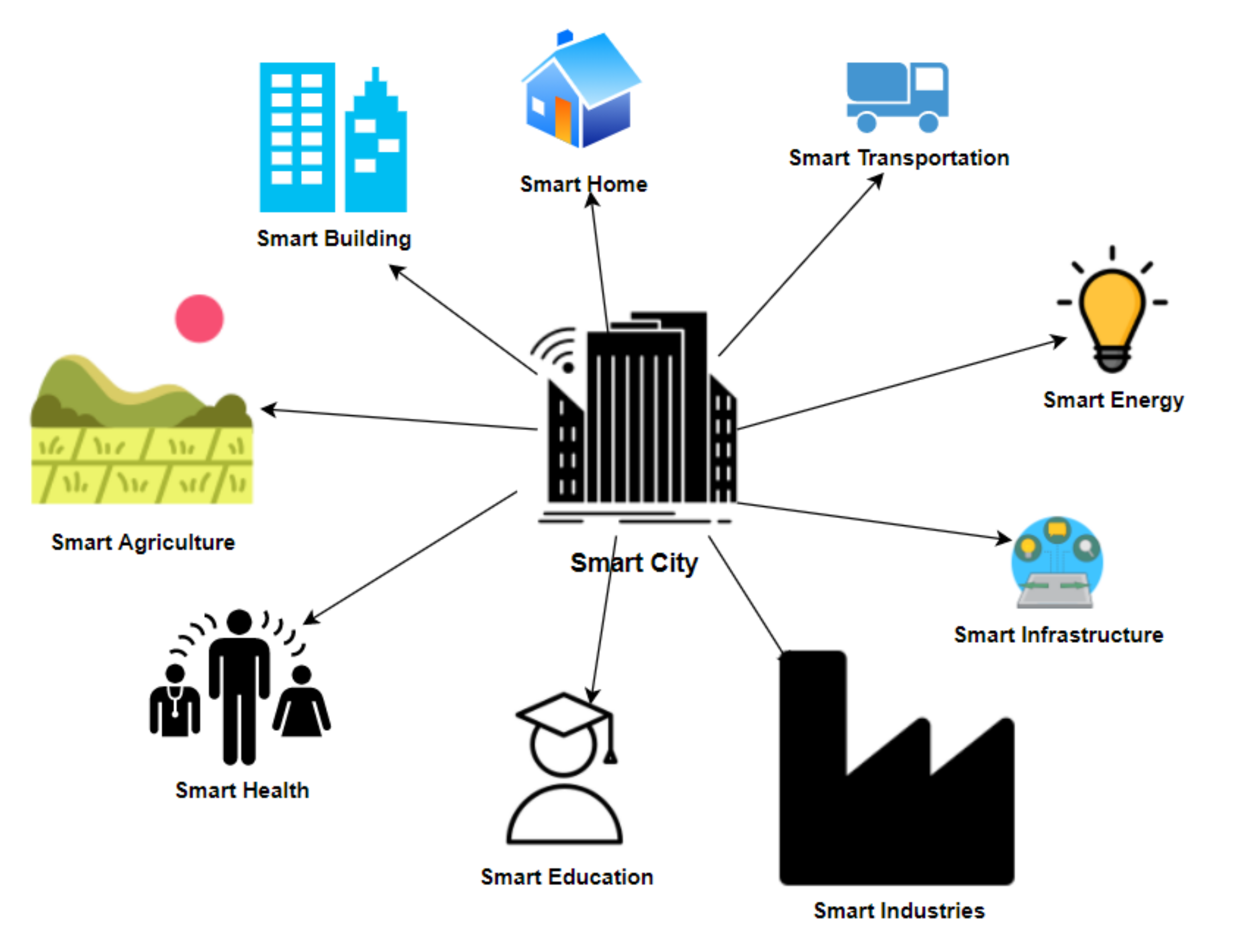
This article delves into the critical role of cloud infrastructure in enabling Smart City development. We will explore the key benefits of using cloud solutions, examine real-world examples of successful Smart City implementations, discuss the challenges and considerations involved, and ultimately provide insights into how cities can leverage the cloud to build a smarter, more sustainable, and more livable future for their residents.
Understanding Smart Cities
A Smart City is more than just a city with technology. It’s a city that uses technology and data strategically to improve the lives of its citizens. This involves integrating various systems and services, such as transportation, energy, healthcare, and public safety, to create a connected and efficient urban environment. The goal is to optimize resource utilization, reduce costs, and enhance the overall quality of life. For more information, you can refer to cloud as an additional resource.
Key Characteristics of a Smart City
Several key characteristics define a Smart City:
- Data-Driven Decision Making: Using data analytics to inform policy and operational decisions.
- Connectivity and Interoperability: Seamless communication and data exchange between different systems and devices.
- Citizen Engagement: Empowering citizens to participate in city governance and provide feedback on services.
- Sustainability: Reducing environmental impact and promoting sustainable practices.
- Innovation: Fostering a culture of innovation and experimentation to develop new solutions to urban challenges.
Examples of Smart City Applications
Smart City applications span a wide range of areas, including:
- Smart Transportation: Intelligent traffic management systems, autonomous vehicles, and real-time public transportation information.
- Smart Energy: Smart grids, energy-efficient buildings, and renewable energy sources.
- Smart Healthcare: Telemedicine, remote patient monitoring, and personalized healthcare solutions.
- Smart Public Safety: Predictive policing, real-time crime monitoring, and emergency response systems.
- Smart Waste Management: Optimized waste collection routes, smart bins, and recycling programs.
The Crucial Role of Cloud Infrastructure
Cloud infrastructure provides the foundation for Smart City initiatives by offering the necessary computing power, storage, and networking capabilities to handle the vast amounts of data generated by connected devices and systems. Without the cloud, it would be virtually impossible for cities to efficiently manage and analyze this data.
Benefits of Cloud Infrastructure for Smart Cities
The benefits of using cloud infrastructure for Smart Cities are numerous:
- Scalability: Cloud infrastructure can easily scale up or down to meet changing demands, allowing cities to adapt to fluctuating data volumes and user traffic.
- Cost-Effectiveness: Cloud services eliminate the need for expensive on-premises hardware and IT infrastructure, reducing capital expenditures and operational costs.
- Flexibility: Cloud platforms offer a wide range of services and tools that can be customized to meet the specific needs of different Smart City applications.
- Accessibility: Cloud-based data and applications can be accessed from anywhere with an internet connection, enabling remote monitoring and management.
- Security: Cloud providers invest heavily in security measures to protect data and systems from cyber threats.
- Innovation: Cloud platforms provide access to cutting-edge technologies such as artificial intelligence (AI), machine learning (ML), and the Internet of Things (IoT), enabling cities to develop innovative solutions.
Cloud Deployment Models for Smart Cities
Several cloud deployment models are available for Smart Cities, each with its own advantages and disadvantages:
- Public Cloud: Shared infrastructure offered by a third-party provider (e.g., Amazon Web Services, Microsoft Azure, Google Cloud Platform). This is often the most cost-effective option, but it may raise concerns about data security and privacy.
- Private Cloud: Infrastructure dedicated to a single organization. This offers greater control and security, but it is typically more expensive than public cloud.
- Hybrid Cloud: A combination of public and private cloud resources. This allows cities to leverage the benefits of both models, such as cost-effectiveness and security.
- Community Cloud: Infrastructure shared by several organizations with similar requirements (e.g., a group of cities). This can offer a balance between cost and control.
Real-World Examples of Smart City Implementations Using Cloud
Several cities around the world have successfully implemented Smart City initiatives using cloud infrastructure. These examples demonstrate the potential of the cloud to transform urban environments.
Barcelona, Spain
Barcelona is widely regarded as a leading Smart City. The city utilizes a cloud-based platform to manage various services, including smart lighting, smart parking, and smart waste management. The platform collects data from sensors and devices throughout the city, providing insights that are used to optimize resource allocation and improve citizen services.
Singapore
Singapore’s Smart Nation initiative leverages cloud infrastructure to create a connected and intelligent city-state. The city uses cloud-based platforms for transportation, healthcare, and public safety. For example, the city’s intelligent transportation system uses cloud-based analytics to optimize traffic flow and reduce congestion.
Kansas City, Missouri, USA
Kansas City has implemented a smart streetcar corridor that uses cloud-based analytics to collect and analyze data on traffic patterns, pedestrian activity, and environmental conditions. This data is used to improve the efficiency of the streetcar system and enhance the overall experience for riders.
Challenges and Considerations
While cloud infrastructure offers significant benefits for Smart Cities, there are also challenges and considerations that need to be addressed.
Data Security and Privacy
Protecting sensitive data is a critical concern for Smart Cities. Cloud providers must implement robust security measures to prevent data breaches and ensure compliance with privacy regulations. Cities also need to develop clear policies and procedures for data governance and access control.
Interoperability and Standards
Ensuring interoperability between different systems and devices is essential for creating a seamless Smart City experience. This requires the adoption of open standards and protocols to facilitate data exchange and communication.
Vendor Lock-in
Avoiding vendor lock-in is important for maintaining flexibility and control over cloud resources. Cities should carefully evaluate cloud providers and choose solutions that are based on open standards and allow for easy migration to other platforms.
Skills Gap
Developing the necessary skills and expertise to manage and maintain cloud infrastructure is crucial for successful Smart City implementations. Cities may need to invest in training programs or partner with cloud service providers to address the skills gap.
Cost Management
While cloud services can be cost-effective, it’s important to carefully manage cloud spending to avoid unexpected costs. Cities should monitor cloud usage and optimize resource allocation to ensure that they are getting the most value for their money.
Best Practices for Leveraging Cloud in Smart Cities
To successfully leverage cloud infrastructure in Smart Cities, consider these best practices:
- Develop a Clear Cloud Strategy: Define your goals, requirements, and priorities for cloud adoption.
- Choose the Right Cloud Deployment Model: Select the deployment model that best meets your security, cost, and performance needs.
- Implement Robust Security Measures: Protect data and systems from cyber threats with strong security controls.
- Ensure Interoperability: Adopt open standards and protocols to facilitate data exchange between different systems.
- Monitor Cloud Usage and Costs: Track cloud spending and optimize resource allocation.
- Develop a Skills Development Plan: Invest in training programs to develop the necessary cloud skills.
- Engage with Citizens: Involve citizens in the planning and development of Smart City initiatives.
Conclusion
Cloud infrastructure is a critical enabler of Smart City development. By providing the necessary computing power, storage, and networking capabilities, the cloud allows cities to manage and analyze vast amounts of data, optimize resource utilization, and improve the quality of life for their citizens. While there are challenges and considerations to address, the benefits of using cloud infrastructure for Smart Cities are undeniable. By following best practices and carefully planning their cloud strategy, cities can leverage the power of the cloud to build a smarter, more sustainable, and more livable future.
Frequently Asked Questions (FAQ) about Smart Cities and the Role of Cloud Infrastructure
What is the relationship between the development of smart cities and the adoption of cloud infrastructure, and why is cloud computing considered essential for building smart cities?
The development of smart cities is inextricably linked to the adoption of cloud infrastructure. Cloud computing provides the scalable, reliable, and cost-effective platform necessary to manage the massive amounts of data generated by interconnected devices and systems within a smart city. Without the cloud, processing and storing the data from sensors, cameras, and other IoT devices would be prohibitively expensive and complex. Cloud infrastructure enables efficient data aggregation, analysis, and real-time decision-making, which are crucial for optimizing city services like traffic management, energy consumption, and public safety. The cloud’s ability to handle large workloads and provide on-demand resources makes it an essential component for building and maintaining smart city initiatives.
How does utilizing cloud infrastructure improve the efficiency and sustainability of smart city services such as public transportation, waste management, and energy grids?
Cloud infrastructure significantly enhances the efficiency and sustainability of smart city services. For public transportation, the cloud enables real-time tracking of vehicles, dynamic route optimization based on traffic conditions, and predictive maintenance to minimize downtime. In waste management, cloud-connected sensors in bins can monitor fill levels, optimizing collection routes and reducing fuel consumption. For energy grids, the cloud allows for intelligent energy distribution, demand response management, and integration of renewable energy sources. By leveraging data analytics and machine learning capabilities within the cloud, smart cities can identify patterns, predict future needs, and automate processes, leading to reduced costs, improved resource utilization, and a smaller environmental footprint. This data-driven approach, facilitated by cloud infrastructure, is fundamental for creating more sustainable and livable urban environments.
What are some of the key security and privacy challenges associated with using cloud services in smart city initiatives, and what measures can be taken to mitigate these risks?
Using cloud services in smart city initiatives introduces several security and privacy challenges. The vast amount of data collected and stored in the cloud, including sensitive personal information, becomes a target for cyberattacks. Data breaches, unauthorized access, and ransomware attacks are significant threats. To mitigate these risks, smart cities must implement robust security measures, including strong encryption for data in transit and at rest, multi-factor authentication for user access, and regular security audits. Adhering to data privacy regulations like GDPR and CCPA is crucial. Furthermore, implementing a zero-trust security model, where no user or device is trusted by default, can help prevent unauthorized access. Collaboration between city governments, cloud providers, and cybersecurity experts is essential to continuously monitor and adapt to evolving threats and protect the privacy of citizens. Strong data governance policies are also vital.


