
How Cloud Technology Supports Remote Education Systems
The shift to remote education, accelerated by global events, has fundamentally changed the landscape of learning. No longer confined to physical classrooms, education now extends to homes, libraries, and even coffee shops, thanks to the pervasive power of technology. At the heart of this transformation lies cloud technology, a dynamic and scalable infrastructure that empowers educators and students alike to connect, collaborate, and learn in unprecedented ways. The cloud isn’t just a storage space; it’s the backbone of modern remote education systems, enabling access to resources, fostering interaction, and streamlining administrative tasks.
This article delves into the multifaceted ways in which cloud technology supports remote education systems. We’ll explore how it facilitates access to learning materials, enhances communication and collaboration, streamlines administrative processes, ensures data security and privacy, and ultimately, contributes to a more equitable and engaging learning experience for all. We will also examine the challenges and considerations involved in implementing and managing cloud-based remote education solutions.
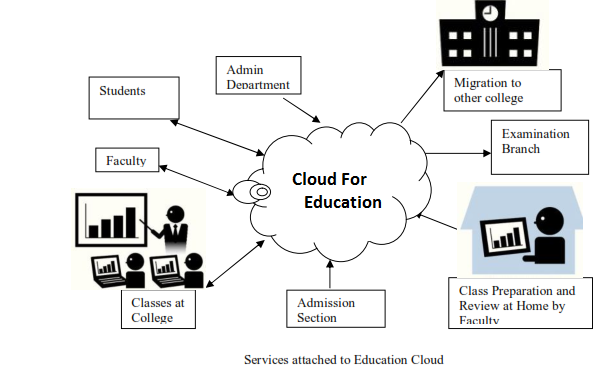
Whether you’re an educator, administrator, student, or simply interested in the future of education, understanding the role of cloud technology is crucial. This article aims to provide a comprehensive overview of how the cloud is revolutionizing remote learning, offering insights into its benefits, practical applications, and potential impact on the future of education. Let’s embark on a journey to uncover the transformative power of cloud technology in shaping the next generation of learners and educators.
Enabling Access to Learning Materials
One of the most significant benefits of cloud technology in remote education is its ability to provide ubiquitous access to learning materials. Traditional learning often relies on physical textbooks, printed worksheets, and limited library resources. The cloud eliminates these constraints by offering a centralized repository for all educational content, accessible from anywhere with an internet connection.
Centralized Content Storage
Cloud platforms allow educators to upload and organize various learning materials, including:
- Textbooks and e-books: Students can access digital versions of textbooks, eliminating the need for bulky physical copies.
- Lecture recordings and videos: Recorded lectures and instructional videos can be stored in the cloud, allowing students to review content at their own pace.
- Assignments and assessments: Students can submit assignments and complete online quizzes and exams through cloud-based learning management systems (LMS).
- Supplementary resources: Educators can provide access to articles, research papers, and other supplementary materials to enrich the learning experience.
Anytime, Anywhere Access
The cloud’s accessibility transcends geographical boundaries and time zones. Students can access learning materials from any device – laptop, tablet, or smartphone – at any time, fostering a flexible and personalized learning environment. This is particularly beneficial for students in remote areas, students with disabilities, and those with scheduling constraints.
Cost-Effectiveness
Cloud-based solutions can significantly reduce the costs associated with traditional learning materials. Digital textbooks are often cheaper than physical copies, and the elimination of printing and distribution costs can lead to substantial savings for schools and students. Furthermore, cloud storage is typically more cost-effective than maintaining physical storage infrastructure. For more information, you can refer to cloud as an additional resource.
Enhancing Communication and Collaboration
Effective communication and collaboration are essential for successful learning, especially in a remote environment. Cloud technology provides a range of tools and platforms that facilitate interaction between students, educators, and parents.
Virtual Classrooms and Video Conferencing
Cloud-based video conferencing platforms like Zoom, Google Meet, and Microsoft Teams enable educators to conduct live virtual classes, fostering real-time interaction and engagement. These platforms offer features such as:
- Screen sharing: Educators can share their screens to present slides, demonstrate software, or annotate documents.
- Breakout rooms: Students can be divided into smaller groups for collaborative activities and discussions.
- Chat functionality: Students can ask questions and participate in discussions through text-based chat.
- Recording capabilities: Sessions can be recorded for students who are unable to attend live or who want to review the material later.
Collaboration Tools
Cloud-based collaboration tools, such as Google Docs, Microsoft Office 365, and shared whiteboards, allow students to work together on projects, assignments, and presentations in real-time. These tools facilitate seamless collaboration, regardless of location or time zone.
Communication Platforms
Cloud-based communication platforms, such as email, messaging apps, and online forums, enable educators to communicate with students and parents effectively. These platforms facilitate the sharing of announcements, assignments, feedback, and other important information.
Streamlining Administrative Processes
Cloud technology can significantly streamline administrative processes in remote education systems, freeing up educators and administrators to focus on teaching and learning. By automating tasks and centralizing data management, the cloud can improve efficiency and reduce administrative overhead.
Learning Management Systems (LMS)
Cloud-based LMS platforms, such as Moodle, Canvas, and Blackboard, provide a centralized hub for managing courses, assignments, grades, and communication. These platforms offer features such as:
- Course management: Educators can create and manage online courses, upload learning materials, and track student progress.
- Assignment submission and grading: Students can submit assignments electronically, and educators can provide feedback and grades online.
- Gradebook management: Grades can be tracked and managed electronically, providing a comprehensive view of student performance.
- Communication tools: LMS platforms often include built-in communication tools, such as email and discussion forums.
Student Information Systems (SIS)
Cloud-based SIS platforms, such as PowerSchool and Infinite Campus, provide a centralized system for managing student data, including enrollment, attendance, grades, and demographics. These platforms can automate tasks such as:
- Student registration: Students can register for courses online, streamlining the enrollment process.
- Attendance tracking: Attendance can be tracked electronically, providing accurate records and reducing manual data entry.
- Reporting: SIS platforms can generate reports on student performance, attendance, and other key metrics.
Automated Tasks
The cloud allows for automation of many administrative tasks, such as sending reminders, generating reports, and processing payments. This automation saves time and reduces the risk of errors, allowing staff to focus on more strategic initiatives.
Ensuring Data Security and Privacy
Data security and privacy are paramount in remote education systems, especially when dealing with sensitive student information. Cloud providers invest heavily in security measures to protect data from unauthorized access, breaches, and cyber threats.
Data Encryption
Cloud providers use data encryption to protect data both in transit and at rest. Encryption scrambles data, making it unreadable to unauthorized individuals. This ensures that even if data is intercepted, it cannot be accessed or used.
Access Controls
Cloud platforms implement strict access controls to limit who can access sensitive data. Role-based access control (RBAC) allows administrators to assign different levels of access to users based on their roles and responsibilities. Multi-factor authentication (MFA) adds an extra layer of security by requiring users to provide multiple forms of identification before accessing the system.
Compliance with Regulations
Cloud providers are often compliant with industry-standard security and privacy regulations, such as GDPR (General Data Protection Regulation) and FERPA (Family Educational Rights and Privacy Act). This ensures that student data is handled in accordance with legal requirements.
Regular Security Audits
Cloud providers conduct regular security audits to identify and address potential vulnerabilities. These audits help to ensure that the cloud platform remains secure and protected against emerging threats.
Challenges and Considerations
While cloud technology offers numerous benefits for remote education systems, it’s essential to acknowledge the challenges and considerations involved in implementing and managing cloud-based solutions.
Internet Access and Digital Equity
Reliable internet access is a prerequisite for accessing cloud-based learning resources. However, not all students have equal access to the internet, creating a digital divide that can exacerbate existing inequalities. Schools and communities need to address this issue by providing affordable internet access and devices to all students.
Data Privacy Concerns
Storing student data in the cloud raises concerns about data privacy and security. It’s crucial to choose cloud providers that have robust security measures in place and comply with relevant privacy regulations. Schools should also develop clear policies and procedures for handling student data in the cloud.
Technical Support and Training
Implementing and managing cloud-based solutions requires technical expertise. Schools need to provide adequate technical support and training to educators, administrators, and students to ensure that they can effectively use the technology. This includes training on how to use the LMS, video conferencing platforms, and other cloud-based tools.
Cost Management
While cloud solutions can be cost-effective in the long run, it’s important to carefully manage costs. Schools should compare pricing plans from different cloud providers and choose the option that best fits their needs and budget. They should also monitor usage and identify opportunities to optimize costs.
Conclusion
Cloud technology has revolutionized remote education systems, enabling access to learning materials, enhancing communication and collaboration, streamlining administrative processes, and ensuring data security and privacy. By embracing cloud-based solutions, schools and educators can create more equitable, engaging, and effective learning experiences for all students. While challenges and considerations exist, the benefits of cloud technology far outweigh the risks, making it an indispensable tool for the future of education.
As remote education continues to evolve, the role of cloud technology will only become more prominent. By understanding the capabilities and limitations of the cloud, educators and administrators can leverage its power to transform the way we learn and teach, creating a more connected, accessible, and personalized education system for all.
The journey towards a fully cloud-enabled education system requires careful planning, investment in infrastructure and training, and a commitment to addressing the challenges of digital equity. However, the potential rewards – a more equitable, accessible, and effective education system for all – are well worth the effort.
Frequently Asked Questions (FAQ) about How Cloud Technology Supports Remote Education Systems
How does using cloud computing in education improve accessibility for students participating in remote learning programs?
Cloud computing significantly enhances accessibility for remote learning students by providing access to educational resources from anywhere with an internet connection. Cloud-based learning management systems (LMS), digital libraries, and collaborative tools are available on various devices, including laptops, tablets, and smartphones. This democratizes education, especially for students in geographically remote areas or those with limited access to traditional learning resources. Furthermore, cloud platforms offer features like text-to-speech, adjustable font sizes, and screen readers, improving accessibility for students with disabilities. The centralized nature of cloud storage also ensures that all students have access to the same updated materials, fostering a more equitable learning environment. Cloud technology supports asynchronous learning, allowing students to learn at their own pace and according to their individual schedules.
What are the benefits of using cloud-based tools for collaboration and communication among students and teachers in a remote education setting?
Cloud-based tools revolutionize collaboration and communication in remote education. Platforms like Google Workspace for Education and Microsoft 365 Education offer real-time document collaboration, video conferencing, and instant messaging, fostering a sense of community and shared learning experience. Cloud-based communication tools enable seamless interaction between students and teachers, facilitating quick question-and-answer sessions and personalized feedback. These tools also support collaborative projects, allowing students to work together on assignments regardless of their physical location. The accessibility of these tools from any device ensures that all students can participate actively in group activities and discussions. Furthermore, cloud platforms often integrate with other educational applications, streamlining the learning workflow and enhancing overall productivity. The enhanced communication and collaboration provided by cloud technology helps to bridge the gap created by physical distance in remote education.
How can schools and universities leverage cloud technology to improve data security and student privacy within their remote learning environments?
Cloud technology offers robust features to enhance data security and protect student privacy in remote learning environments. Cloud providers invest heavily in security infrastructure, including encryption, access controls, and regular security audits. Schools can leverage these features to safeguard sensitive student data, such as grades, attendance records, and personal information. Cloud platforms enable granular access control, allowing administrators to define who can access specific data. Furthermore, many cloud providers comply with industry-standard security certifications and regulations, such as GDPR and FERPA, ensuring that data is handled responsibly and in accordance with legal requirements. Implementing multi-factor authentication and data loss prevention (DLP) policies on cloud platforms further strengthens security. Choosing reputable cloud providers with strong security track records is crucial for ensuring data protection and maintaining student privacy in remote learning settings. Regular training for staff on data security best practices is also essential.


