Cloud APIs Explained: What They Are and Why They Matter
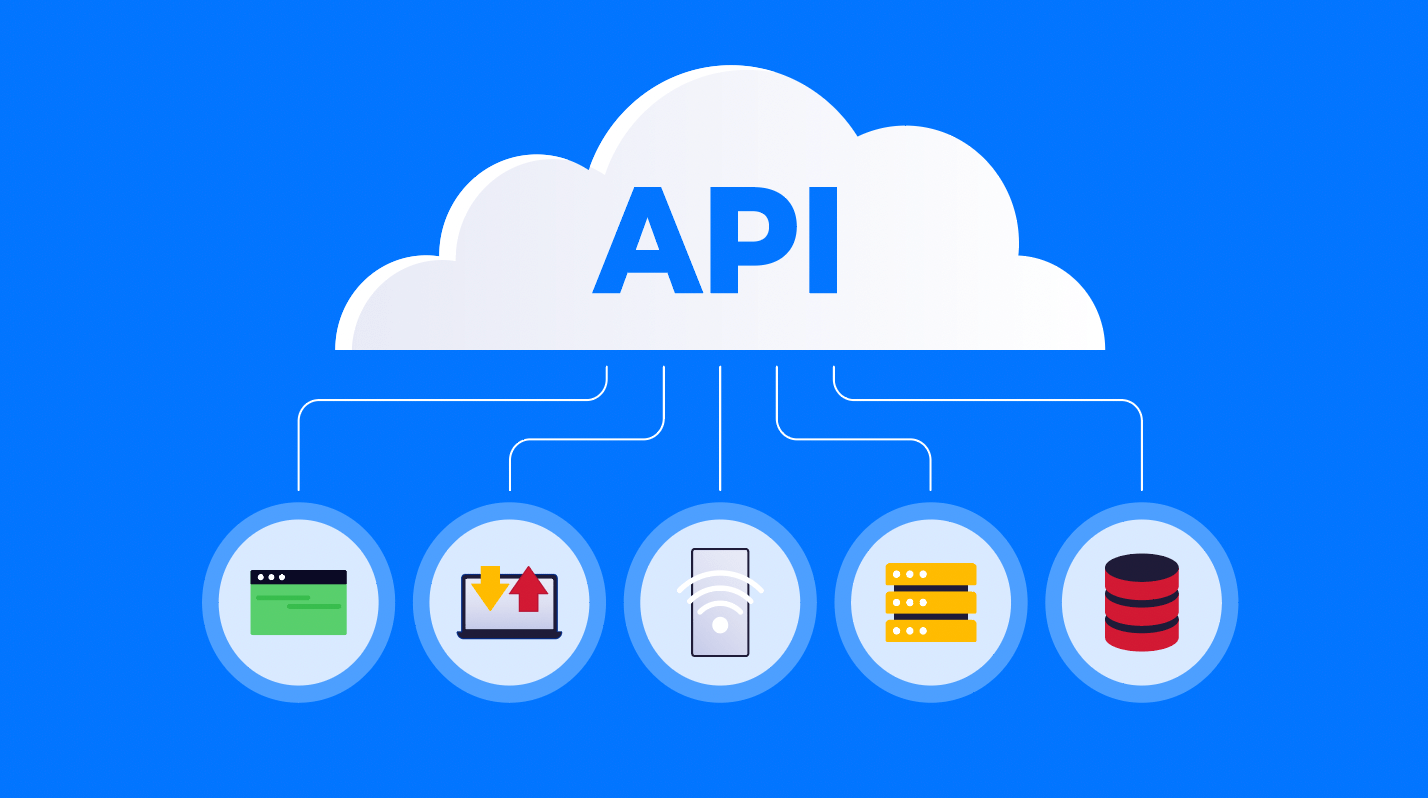
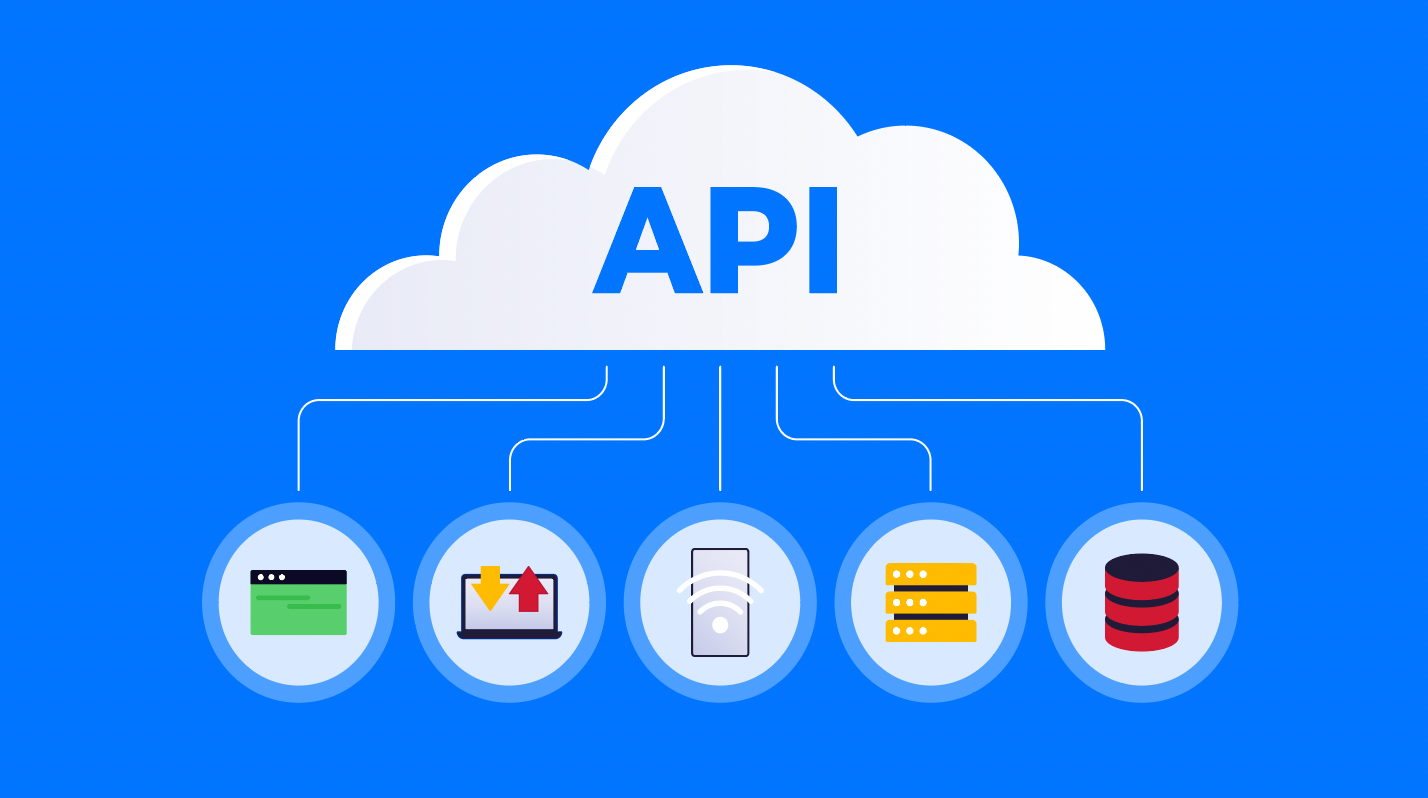
In today’s interconnected digital landscape, cloud computing has become the backbone of countless applications and services we use daily. From streaming movies to storing photos, the cloud empowers businesses and individuals with scalable, on-demand resources. But behind the scenes, making this seamless interaction possible, are Cloud APIs. These Application Programming Interfaces act as the vital intermediaries, enabling different software systems to communicate and exchange data efficiently. Understanding Cloud APIs is no longer just for developers; it’s crucial for anyone involved in technology decision-making within an organization.
Think of Cloud APIs as the menus in a restaurant. You, the customer (an application), don’t need to know how the chef prepares the food (the complex cloud infrastructure). You simply select what you want from the menu (the API), and the restaurant (the cloud provider) delivers the result. This abstraction simplifies development, reduces complexity, and allows businesses to focus on their core competencies rather than managing intricate infrastructure details. Without these APIs, integrating different cloud services would be a daunting and often impossible task.
This article delves into the world of Cloud APIs, explaining what they are, how they work, and why they are essential for modern businesses. We’ll explore various types of Cloud APIs, their benefits, common use cases, and the key considerations for selecting and managing them effectively. By the end of this guide, you’ll have a solid understanding of how Cloud APIs are revolutionizing the way we build and interact with software in the cloud era.
What Are Cloud APIs?
At their core, Cloud APIs are interfaces that allow software applications to interact with cloud-based services. They define the methods and data formats that applications can use to request services from a cloud provider, such as Amazon Web Services (AWS), Microsoft Azure, or Google Cloud Platform (GCP). These APIs abstract away the underlying complexity of the cloud infrastructure, enabling developers to access and utilize cloud resources without needing to understand the intricacies of server management, networking, or storage.
Key Characteristics of Cloud APIs
- Abstraction: They hide the complexity of the underlying cloud infrastructure.
- Standardization: They follow standard protocols like REST or SOAP, ensuring interoperability.
- Scalability: They can handle a large number of requests and scale as needed.
- Security: They incorporate security measures to protect data and prevent unauthorized access.
- Availability: They are designed to be highly available, ensuring continuous access to cloud services.
Essentially, a Cloud API acts as a contract between the application and the cloud service. It specifies what requests the application can make, what data it needs to provide, and what response it can expect. This contract ensures that the application can reliably interact with the cloud service without breaking the underlying infrastructure.
Why Cloud APIs Matter
The significance of Cloud APIs stems from their ability to accelerate development, reduce costs, and foster innovation. They empower businesses to leverage the vast resources of the cloud without being burdened by the complexities of managing their own infrastructure. Here’s a more detailed look at why they matter:
Reduced Development Time and Costs
Cloud APIs provide pre-built functionalities that developers can readily integrate into their applications. Instead of building services from scratch, developers can simply call the appropriate API to access features like storage, databases, machine learning, and more. This significantly reduces development time and costs, allowing businesses to bring their products to market faster.
Increased Agility and Scalability
Cloud APIs enable businesses to quickly adapt to changing market demands. They can easily scale their applications up or down based on usage patterns, without having to worry about provisioning and managing physical hardware. This agility allows businesses to respond rapidly to new opportunities and challenges.
Enhanced Innovation
By providing access to a wide range of cloud services, Cloud APIs foster innovation. Developers can experiment with new technologies and integrate them into their applications with ease. This allows businesses to create innovative solutions that were previously impossible or too expensive to develop.
Improved Interoperability
Cloud APIs facilitate interoperability between different applications and systems. They enable data to be seamlessly exchanged between different cloud services, creating a more integrated and efficient ecosystem. This is particularly important for businesses that rely on multiple cloud providers.
Types of Cloud APIs
Cloud APIs come in various forms, each designed for specific purposes. Understanding the different types is crucial for choosing the right APIs for your needs.
REST (Representational State Transfer) APIs
REST APIs are the most common type of Cloud API. They use standard HTTP methods (GET, POST, PUT, DELETE) to interact with resources. REST APIs are stateless, meaning that each request contains all the information necessary to process it. This makes them highly scalable and easy to implement. They typically use JSON (JavaScript Object Notation) or XML (Extensible Markup Language) for data exchange.
Example: An API to retrieve customer data from a CRM system using a GET request to a specific URL.
SOAP (Simple Object Access Protocol) APIs
SOAP APIs are another type of Cloud API that uses XML for data exchange. They are more complex than REST APIs and require more overhead. However, they offer more advanced features like security and transaction management. SOAP APIs are often used in enterprise environments where security and reliability are paramount.
Example: An API to process financial transactions using a SOAP request with specific XML schema. For more information, you can refer to cloud as an additional resource.
GraphQL APIs
GraphQL APIs are a relatively new type of Cloud API that allows clients to request specific data. Unlike REST APIs, which return a fixed set of data for each resource, GraphQL APIs allow clients to specify exactly what data they need. This reduces the amount of data transferred over the network and improves performance. It is particularly useful in scenarios where clients need to fetch data from multiple sources.
Example: An API to fetch only the name and email of a user, instead of all the user’s profile information.
gRPC APIs
gRPC (gRPC Remote Procedure Calls) is a high-performance, open-source universal RPC framework developed by Google. It uses Protocol Buffers as its interface definition language and binary serialization protocol. gRPC APIs are particularly well-suited for microservices architectures and high-performance applications.
Example: Internal APIs for high-speed communication between microservices within a cloud-native application.
Common Use Cases for Cloud APIs
Cloud APIs are used in a wide range of applications across various industries. Here are some common use cases:
Data Storage and Backup
Cloud storage APIs allow applications to store and retrieve data in the cloud. This is commonly used for storing images, videos, documents, and other types of files. Cloud backup APIs enable businesses to automatically back up their data to the cloud, ensuring data protection and disaster recovery.
Example: Storing user-uploaded photos on AWS S3 using its API.
Database Management
Cloud database APIs provide access to managed database services, such as relational databases (e.g., MySQL, PostgreSQL) and NoSQL databases (e.g., MongoDB, Cassandra). These APIs simplify database management tasks like provisioning, scaling, and backup.
Example: Connecting a web application to a Google Cloud SQL database using its API.
Machine Learning and Artificial Intelligence
Cloud machine learning APIs offer access to pre-trained machine learning models and tools for building custom models. These APIs can be used for tasks like image recognition, natural language processing, and predictive analytics.
Example: Using the Google Cloud Vision API to analyze images and identify objects.
Integration with Third-Party Services
Cloud APIs enable businesses to integrate their applications with third-party services, such as payment gateways, social media platforms, and marketing automation tools. This allows businesses to extend the functionality of their applications and provide a more seamless user experience.
Example: Integrating a payment gateway like Stripe into an e-commerce website using its API.
Choosing the Right Cloud APIs
Selecting the right Cloud APIs is crucial for ensuring the success of your cloud initiatives. Here are some key considerations:
Functionality and Features
Ensure that the API provides the functionality and features you need for your application. Consider the specific use cases you’re targeting and choose APIs that are well-suited for those scenarios.
Performance and Scalability
Evaluate the performance and scalability of the API. Choose APIs that can handle your expected workload and scale as your business grows.
Security
Prioritize security when selecting Cloud APIs. Ensure that the API incorporates security measures like authentication, authorization, and encryption to protect your data.
Documentation and Support
Choose APIs that have comprehensive documentation and good support. This will make it easier to integrate the API into your application and troubleshoot any issues that may arise.
Pricing
Consider the pricing model of the API. Choose APIs that offer a pricing model that aligns with your budget and usage patterns.
Best Practices for Managing Cloud APIs
Effective management of Cloud APIs is essential for ensuring their security, reliability, and performance. Here are some best practices:
API Security
- Authentication: Implement strong authentication mechanisms to verify the identity of users and applications.
- Authorization: Use authorization policies to control access to API resources.
- Encryption: Encrypt data in transit and at rest to protect it from unauthorized access.
- Rate Limiting: Implement rate limiting to prevent abuse and protect your API from denial-of-service attacks.
- Input Validation: Validate all input data to prevent injection attacks.
API Monitoring
Monitor your APIs to track their performance, availability, and usage. Use monitoring tools to identify and resolve issues quickly.
API Versioning
Use API versioning to manage changes to your APIs. This allows you to introduce new features and fix bugs without breaking existing applications.
API Documentation
Maintain comprehensive documentation for your APIs. This will make it easier for developers to understand how to use your APIs and integrate them into their applications.
API Governance
Establish clear API governance policies to ensure that your APIs are consistent, secure, and well-managed.
Conclusion
Cloud APIs are the building blocks of modern cloud applications. They empower businesses to leverage the vast resources of the cloud, accelerate development, reduce costs, and foster innovation. By understanding the different types of Cloud APIs, their benefits, and best practices for managing them, businesses can unlock the full potential of the cloud and gain a competitive edge in today’s digital landscape. As cloud computing continues to evolve, Cloud APIs will become even more crucial for connecting applications and services in a seamless and efficient manner.
Frequently Asked Questions (FAQ) about Cloud APIs Explained: What They Are and Why They Matter
What are some practical examples of how businesses are actually using Cloud APIs today to improve their operations?
Businesses leverage Cloud APIs in diverse ways to streamline operations and enhance customer experiences. For example, a retail company might use a Cloud API for payment processing like Stripe or PayPal to securely handle online transactions. Another common use case is integrating a Cloud API for mapping services, such as Google Maps, to provide accurate location data and directions within their mobile app or website. Furthermore, companies often use Cloud APIs for customer relationship management (CRM) systems like Salesforce, enabling them to automate tasks, track customer interactions, and personalize marketing campaigns. These integrations reduce development time, improve efficiency, and allow businesses to focus on their core competencies.
What are the key benefits of using Cloud APIs for software development, and how do they compare to building everything from scratch?
Utilizing Cloud APIs offers significant advantages over building software features from the ground up. Firstly, Cloud APIs dramatically reduce development time and costs. Instead of writing complex code for functionalities like authentication or data storage, developers can simply integrate pre-built API services. Secondly, Cloud APIs often provide access to specialized expertise and infrastructure that a small company might not be able to afford independently. This includes things like robust security features, scalability, and high availability. Finally, using Cloud APIs allows developers to focus on their core product or service, rather than spending time on ancillary features. While building from scratch offers complete control, it’s usually less efficient and more expensive than leveraging the power of Cloud APIs.
What security considerations are most important when working with Cloud APIs, and what steps can developers take to mitigate potential risks?
Security is paramount when working with Cloud APIs. Key considerations include authentication, authorization, and data encryption. Developers must ensure that all API requests are properly authenticated using methods like API keys, OAuth, or JWT (JSON Web Tokens). Authorization mechanisms should be implemented to control user access to specific resources and prevent unauthorized data manipulation. Data transmitted between the application and the Cloud API should be encrypted using HTTPS (TLS/SSL) to protect against eavesdropping. Furthermore, developers should carefully review the API provider’s security policies and best practices, regularly update their libraries and dependencies, and implement robust error handling and logging to detect and respond to potential security threats. Regularly monitoring API usage patterns can also help identify and prevent malicious activity.


