
Integrating Cloud Services into Your Digital Transformation Strategy
Digital transformation isn’t just a buzzword; it’s a fundamental shift in how businesses operate and deliver value. At its core, it’s about leveraging technology to improve processes, enhance customer experiences, and ultimately, drive growth. And increasingly, cloud services are becoming the cornerstone of successful digital transformation initiatives. They offer the scalability, flexibility, and cost-effectiveness that modern businesses need to compete in a rapidly evolving landscape. However, simply migrating to the cloud isn’t enough. A strategic approach to integrating cloud services is crucial for realizing the full potential of your digital transformation efforts.
This article delves into the essential aspects of integrating cloud services into your digital transformation strategy. We’ll explore the benefits of cloud adoption, discuss the key considerations for choosing the right cloud solutions, and provide practical guidance on how to implement a successful cloud migration and integration plan. We’ll also address common challenges and offer strategies for overcoming them, ensuring that your organization can navigate the complexities of cloud adoption with confidence.
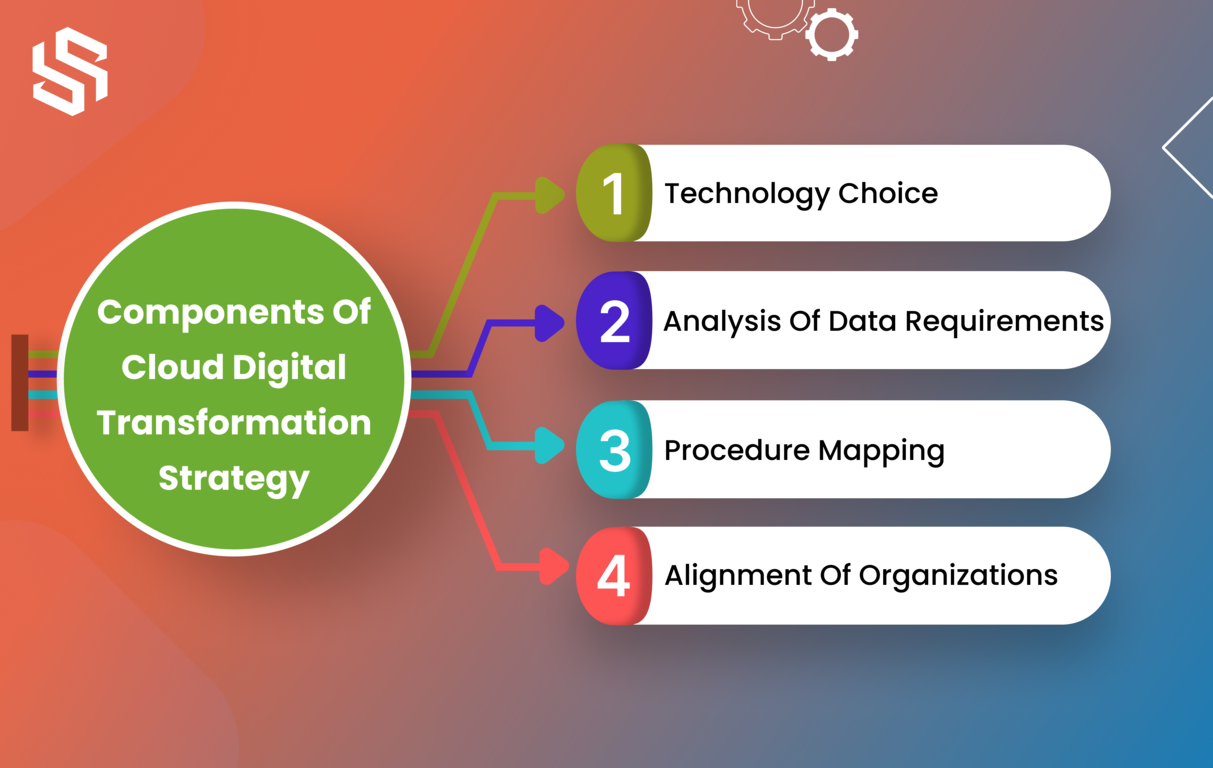
Whether you’re just beginning to explore the possibilities of cloud computing or are already well on your way to a cloud-first strategy, this guide will provide valuable insights and actionable advice to help you maximize the impact of cloud services on your digital transformation journey. Let’s embark on this exploration together, uncovering the power of the cloud to reshape your business for the future.
Understanding the Role of Cloud Services in Digital Transformation
Cloud services are no longer just a convenient alternative to on-premise infrastructure; they are a critical enabler of digital transformation. They provide the agility and scalability needed to adapt to changing market demands, the cost-efficiency to optimize resource allocation, and the innovation platform to develop and deploy new services rapidly. In essence, they empower businesses to be more responsive, efficient, and competitive.
Key Benefits of Cloud Adoption for Digital Transformation
Here are some of the key benefits that cloud services bring to digital transformation:
- Increased Agility and Scalability: Cloud services allow businesses to quickly scale resources up or down based on demand, enabling them to respond rapidly to changing market conditions and customer needs. This agility is crucial for staying ahead of the competition and seizing new opportunities.
- Reduced Costs: By shifting from a capital expenditure (CapEx) model to an operational expenditure (OpEx) model, cloud services can significantly reduce IT costs. Businesses only pay for the resources they use, eliminating the need for expensive hardware investments and maintenance.
- Improved Collaboration and Communication: Cloud-based collaboration tools enable teams to work together more effectively, regardless of location. This fosters innovation and accelerates decision-making.
- Enhanced Security: Cloud providers invest heavily in security measures, often exceeding the capabilities of individual businesses. This can lead to improved security posture and reduced risk of data breaches.
- Faster Innovation: Cloud platforms provide access to a wide range of cutting-edge technologies, such as artificial intelligence (AI), machine learning (ML), and data analytics, enabling businesses to innovate more quickly and develop new products and services.
- Greater Business Continuity: Cloud-based disaster recovery solutions ensure that businesses can quickly recover from disruptions, minimizing downtime and protecting critical data.
Types of Cloud Services and Their Applications
There are several types of cloud services, each catering to different business needs:
- Infrastructure as a Service (IaaS): Provides access to computing resources, such as servers, storage, and networking, over the internet. This is ideal for businesses that need maximum control over their infrastructure.
- Platform as a Service (PaaS): Offers a platform for developing, running, and managing applications without the complexity of managing the underlying infrastructure. This is suitable for businesses that want to focus on application development.
- Software as a Service (SaaS): Delivers software applications over the internet, eliminating the need for installation and maintenance. This is a popular choice for businesses that want to quickly deploy and use software applications. Examples include Salesforce, Microsoft 365, and Google Workspace.
Developing a Cloud Integration Strategy
A well-defined cloud integration strategy is essential for maximizing the benefits of cloud adoption and minimizing the risks. This strategy should align with your overall business objectives and address key considerations such as application migration, data integration, security, and governance.
Assessing Your Current IT Landscape
Before embarking on cloud integration, it’s crucial to assess your current IT landscape. This involves identifying your existing applications, infrastructure, and data sources. Analyze their interdependencies, performance requirements, and security vulnerabilities. This assessment will help you determine which applications are suitable for migration to the cloud, which need to be re-architected, and which should remain on-premise.
Choosing the Right Cloud Deployment Model
There are several cloud deployment models to choose from, each with its own advantages and disadvantages:
- Public Cloud: Cloud services are provided by a third-party provider and shared among multiple tenants. This is the most cost-effective option but offers less control.
- Private Cloud: Cloud infrastructure is dedicated to a single organization. This provides greater control and security but is more expensive.
- Hybrid Cloud: A combination of public and private clouds, allowing businesses to leverage the benefits of both. This is a popular choice for organizations that need to balance cost, control, and security.
- Multi-Cloud: Using cloud services from multiple public cloud providers. This strategy helps avoid vendor lock-in and can provide access to a wider range of services.
The choice of deployment model depends on your specific requirements and priorities. Consider factors such as cost, security, compliance, and performance when making your decision.
Data Integration and Migration Strategies
Data integration and migration are critical aspects of cloud integration. You need to ensure that data can be seamlessly transferred between on-premise systems and cloud services, and that data is consistent and accurate. Consider the following strategies:
- Lift and Shift: Migrating applications and data to the cloud without significant changes. This is the simplest approach but may not be the most efficient.
- Re-platforming: Making minor changes to applications to run on the cloud platform. This can improve performance and scalability.
- Re-architecting: Redesigning applications to take full advantage of cloud-native features. This is the most complex approach but can deliver the greatest benefits.
Choose the strategy that best aligns with your business needs and technical capabilities. Ensure that you have a robust data migration plan in place to minimize downtime and data loss.
Implementing Your Cloud Integration Plan
Once you have developed your cloud integration strategy, it’s time to implement it. This involves careful planning, execution, and monitoring to ensure a successful transition.
Phased Rollout and Pilot Projects
Avoid a “big bang” approach to cloud migration. Instead, opt for a phased rollout, starting with pilot projects. This allows you to test your migration plan, identify potential issues, and refine your approach before migrating critical applications and data. Choose pilot projects that are relatively low-risk but provide valuable learning opportunities.
Security Considerations and Compliance
Security is paramount when integrating cloud services. Implement robust security measures to protect your data and applications. This includes:
- Identity and Access Management (IAM): Controlling access to cloud resources based on user roles and permissions.
- Data Encryption: Protecting data at rest and in transit using encryption techniques.
- Network Security: Implementing firewalls, intrusion detection systems, and other security controls to protect your cloud network.
- Vulnerability Management: Regularly scanning for vulnerabilities and patching systems to prevent exploits.
Ensure that your cloud environment complies with relevant industry regulations and standards, such as GDPR, HIPAA, and PCI DSS.
Monitoring and Optimization
Once your cloud environment is up and running, it’s crucial to monitor its performance and optimize resource utilization. Use cloud monitoring tools to track key metrics such as CPU utilization, memory usage, and network traffic. Identify areas where you can improve efficiency and reduce costs. Regularly review your cloud configuration and security settings to ensure that they are aligned with best practices.
Overcoming Common Challenges in Cloud Integration
Cloud integration can be complex and challenging. Here are some common challenges and strategies for overcoming them:
Skills Gap and Training
Cloud computing requires new skills and expertise. Invest in training and development programs to upskill your IT staff. Consider hiring cloud specialists to supplement your existing team. Foster a culture of continuous learning and encourage employees to stay up-to-date with the latest cloud technologies. For more information, you can refer to cloud as an additional resource.
Integration Complexity
Integrating cloud services with existing on-premise systems can be complex. Use integration platforms and APIs to simplify the process. Consider using a hybrid cloud approach to gradually migrate applications to the cloud.
Security Concerns
Security is a major concern for many organizations considering cloud adoption. Implement robust security measures and ensure that your cloud environment complies with relevant regulations. Work with a trusted cloud provider that has a strong security track record.
Vendor Lock-in
Vendor lock-in can be a concern when using cloud services. Adopt a multi-cloud strategy to avoid being dependent on a single provider. Use open-source technologies and standardized APIs to facilitate portability.
Conclusion: Embracing the Cloud for a Successful Digital Transformation
Integrating cloud services into your digital transformation strategy is no longer optional; it’s essential for staying competitive in today’s rapidly evolving business environment. By understanding the benefits of cloud adoption, developing a well-defined integration strategy, and overcoming common challenges, you can unlock the full potential of the cloud and drive significant business value.
Remember that cloud integration is a journey, not a destination. It requires continuous learning, adaptation, and optimization. Embrace the cloud and empower your organization to innovate, grow, and thrive in the digital age.
The cloud offers a powerful platform for digital transformation. By embracing its capabilities and strategically integrating it into your overall business strategy, you can position your organization for long-term success and achieve your digital transformation goals.
Frequently Asked Questions (FAQ) about Integrating Cloud Services into Your Digital Transformation Strategy
What are the key benefits of integrating cloud services into my company’s digital transformation strategy, and how can I measure the return on investment (ROI)?
Integrating cloud services into your digital transformation strategy offers numerous benefits. These include increased agility and scalability, allowing your business to quickly adapt to changing market demands. You also gain improved operational efficiency through automation and streamlined workflows. Cloud services facilitate better collaboration among teams, regardless of location, and can reduce IT infrastructure costs by eliminating the need for extensive on-premises hardware and maintenance. Measuring the ROI involves tracking key performance indicators (KPIs) such as cost savings, improved time-to-market for new products or services, increased customer satisfaction scores, and revenue growth. For example, calculate the reduction in server maintenance expenses and compare it to the cost of cloud subscriptions. You can also assess the impact of faster deployment cycles on revenue. By carefully monitoring these metrics, you can demonstrate the tangible value of your cloud integration efforts.
How do I choose the right cloud deployment model (public, private, hybrid, or multi-cloud) for my organization’s specific digital transformation needs and security requirements?
Selecting the appropriate cloud deployment model is crucial for a successful digital transformation. A public cloud offers scalability and cost-effectiveness but might raise concerns about data security for sensitive information. A private cloud provides greater control and security but is often more expensive to implement and maintain. A hybrid cloud combines the best of both worlds, allowing you to run sensitive workloads on-premises while leveraging the public cloud for other applications. A multi-cloud strategy involves using multiple cloud providers to avoid vendor lock-in and optimize for different services. To choose the right model, assess your organization’s specific needs. Consider factors such as data sensitivity, compliance requirements, performance expectations, and budget constraints. Perform a thorough risk assessment to identify potential security vulnerabilities and ensure that your chosen model aligns with your security policies. A well-defined cloud strategy should outline the criteria for selecting the most suitable cloud deployment model for each workload.
What are the common challenges faced when integrating legacy systems with cloud services during digital transformation, and how can these challenges be effectively addressed?
Integrating legacy systems with cloud services during digital transformation presents several challenges. These include compatibility issues, data migration complexities, security concerns, and the need for specialized skills. Many legacy systems were not designed to interact with modern cloud environments, leading to integration difficulties. Data migration can be complex and time-consuming, potentially disrupting business operations. Security risks arise from exposing older systems to the internet. To address these challenges, begin with a thorough assessment of your legacy systems to understand their capabilities and limitations. Consider using APIs and middleware to bridge the gap between legacy systems and cloud services. Implement robust security measures, such as encryption and access controls, to protect sensitive data. Invest in training your IT staff or hire experts with experience in legacy system integration. A phased approach to migration can minimize disruption and allow for thorough testing at each stage. Thorough planning and execution are crucial for a successful integration.


