
The Intersection of Cloud and IoT: Opportunities and Risks
The Internet of Things (IoT) has revolutionized industries, connecting billions of devices and generating vast amounts of data. However, the true potential of IoT is unlocked when it’s seamlessly integrated with cloud computing. This synergy creates a powerful ecosystem that enables businesses to gain real-time insights, automate processes, and drive innovation. But like any technological advancement, the intersection of cloud and IoT presents both significant opportunities and inherent risks that must be carefully considered.
From smart homes and connected vehicles to industrial automation and precision agriculture, the applications of cloud-enabled IoT are virtually limitless. The cloud provides the scalable infrastructure, storage capacity, and analytical tools necessary to handle the massive data streams generated by IoT devices. This allows businesses to move beyond simply collecting data to actually understanding and leveraging it for competitive advantage. The combination empowers better decision-making, optimized resource utilization, and enhanced customer experiences.
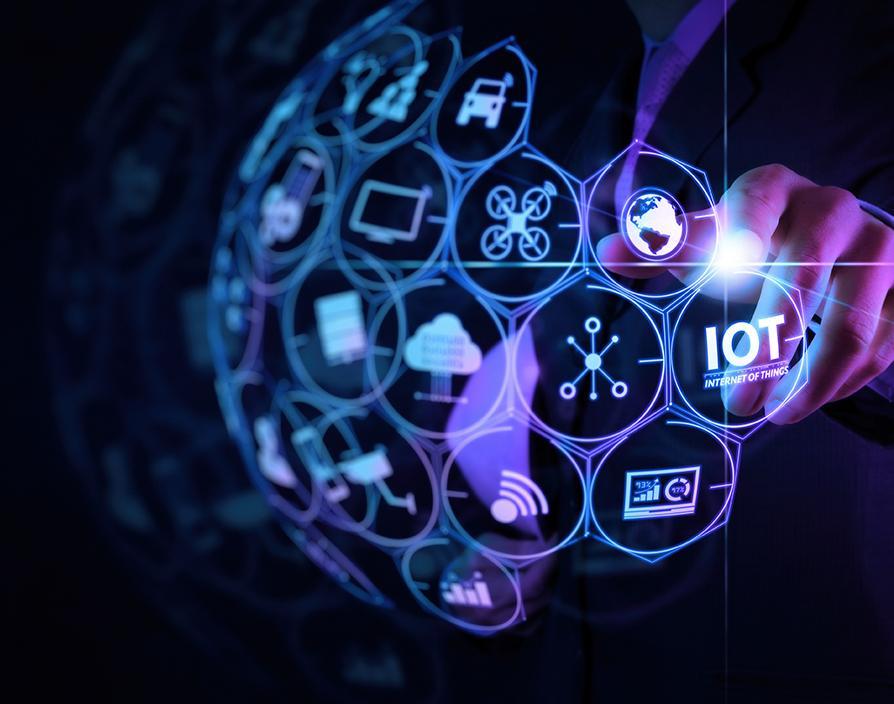
This article explores the dynamic intersection of cloud and IoT, delving into the myriad opportunities it presents across various sectors. We’ll also examine the potential risks, including security vulnerabilities, data privacy concerns, and integration challenges, and discuss strategies for mitigating these risks to ensure a successful and secure cloud-IoT implementation. By understanding both the potential rewards and the inherent challenges, businesses can harness the power of this transformative technology to drive growth and innovation while safeguarding their data and operations.
The Synergistic Relationship Between Cloud and IoT
The cloud and IoT are not independent technologies; they are deeply intertwined and mutually beneficial. The cloud provides the essential infrastructure and services that enable IoT to function effectively, while IoT generates the data that fuels cloud-based applications and analytics.
Scalability and Flexibility
One of the primary advantages of using the cloud for IoT is its scalability. IoT deployments can range from a handful of devices to millions, generating terabytes of data daily. The cloud’s ability to dynamically scale resources up or down as needed ensures that IoT applications can handle fluctuating data volumes without performance degradation. This flexibility is crucial for accommodating the unpredictable nature of IoT data streams.
Data Storage and Processing
The cloud provides virtually unlimited storage capacity for the massive amounts of data generated by IoT devices. Furthermore, it offers powerful processing capabilities for analyzing this data in real-time or batch mode. Cloud-based data analytics tools can identify patterns, trends, and anomalies that would be impossible to detect manually, enabling businesses to gain valuable insights into their operations, customer behavior, and market trends.
Remote Management and Control
The cloud enables remote management and control of IoT devices from anywhere in the world. This is particularly important for large-scale IoT deployments where it would be impractical or impossible to physically access each device. Cloud-based management platforms allow businesses to monitor device performance, update software, and troubleshoot issues remotely, reducing downtime and improving operational efficiency.
Cost-Effectiveness
Using the cloud for IoT can be more cost-effective than building and maintaining on-premises infrastructure. Cloud providers offer a pay-as-you-go pricing model, allowing businesses to only pay for the resources they consume. This eliminates the need for large upfront investments in hardware and software, and reduces ongoing operational costs.
Opportunities Across Industries
The integration of cloud and IoT is transforming industries across the board, creating new opportunities for businesses to improve efficiency, reduce costs, and enhance customer experiences.
Manufacturing
In manufacturing, cloud-enabled IoT is enabling the development of smart factories. Sensors on machines and equipment collect data on performance, temperature, and vibration, which is then analyzed in the cloud to identify potential problems before they lead to breakdowns. This predictive maintenance reduces downtime, improves equipment utilization, and lowers maintenance costs. Furthermore, cloud-based IoT platforms enable real-time monitoring of production processes, allowing manufacturers to optimize workflows, improve product quality, and reduce waste.
Healthcare
IoT devices, such as wearable sensors and remote monitoring systems, are revolutionizing healthcare. These devices collect data on patients’ vital signs, activity levels, and sleep patterns, which is then transmitted to the cloud for analysis. Healthcare providers can use this data to remotely monitor patients, detect potential health problems early, and personalize treatment plans. Cloud-based IoT platforms also enable remote patient monitoring, reducing the need for hospital visits and improving patient outcomes.
Retail
In retail, cloud-enabled IoT is enhancing the customer experience and improving operational efficiency. Smart shelves equipped with sensors can track inventory levels and alert store managers when products are running low. Beacons can send personalized offers and promotions to customers’ smartphones based on their location in the store. Cloud-based analytics can analyze customer behavior and preferences to optimize store layout, product placement, and marketing campaigns.
Transportation
The transportation industry is leveraging cloud and IoT to improve safety, efficiency, and sustainability. Connected vehicles equipped with sensors collect data on traffic conditions, vehicle performance, and driver behavior, which is then transmitted to the cloud for analysis. This data can be used to optimize traffic flow, improve fuel efficiency, and prevent accidents. Cloud-based IoT platforms also enable real-time tracking of vehicles and cargo, improving supply chain visibility and reducing logistics costs.
Agriculture
Precision agriculture is using cloud-enabled IoT to optimize crop yields and reduce resource consumption. Sensors in the fields collect data on soil moisture, temperature, and nutrient levels, which is then analyzed in the cloud to determine the optimal amount of water, fertilizer, and pesticides to apply. This reduces waste, improves crop quality, and increases yields. Drones equipped with cameras can also be used to monitor crop health and identify areas that need attention.
Risks and Challenges
While the opportunities presented by the intersection of cloud and IoT are significant, it’s crucial to acknowledge and address the potential risks and challenges.
Security Vulnerabilities
IoT devices are often resource-constrained and lack robust security features, making them vulnerable to cyberattacks. A compromised IoT device can be used to launch attacks on other devices on the network, steal sensitive data, or disrupt critical services. Cloud-based IoT platforms must implement strong security measures to protect against these threats, including encryption, authentication, and access control.
Data Privacy Concerns
IoT devices collect vast amounts of personal data, raising concerns about data privacy. Businesses must be transparent about how they collect, use, and share this data, and they must comply with relevant privacy regulations, such as GDPR and CCPA. Cloud-based IoT platforms should provide tools for managing and protecting personal data, including data anonymization, encryption, and access control.
Integration Challenges
Integrating IoT devices with cloud platforms can be complex, especially when dealing with a diverse range of devices and protocols. Businesses may need to develop custom software and APIs to connect their IoT devices to the cloud. Furthermore, ensuring interoperability between different IoT devices and platforms can be challenging. Standardized protocols and open APIs can help to simplify integration and improve interoperability.
Data Management and Analysis
The sheer volume of data generated by IoT devices can be overwhelming. Businesses need to have the right tools and expertise to manage and analyze this data effectively. Cloud-based data analytics platforms can help to process and analyze large datasets, but businesses also need to invest in training and development to ensure that their employees have the skills necessary to use these tools effectively. Furthermore, ensuring data quality and accuracy is crucial for deriving meaningful insights from IoT data.
Latency and Bandwidth
Some IoT applications require real-time or near real-time processing of data. However, transmitting data to the cloud and back can introduce latency, which can be unacceptable for these applications. Edge computing, which involves processing data closer to the source, can help to reduce latency and improve performance. However, edge computing also introduces new challenges, such as managing and securing distributed computing resources.
Mitigating Risks and Ensuring Success
To successfully leverage the intersection of cloud and IoT, businesses must take steps to mitigate the risks and address the challenges.
Implement a Robust Security Strategy
Security should be a top priority for any cloud-IoT deployment. This includes implementing strong security measures at all levels, from the device to the cloud. Use strong passwords, encrypt data in transit and at rest, and regularly update software and firmware. Implement intrusion detection and prevention systems to monitor for suspicious activity. Conduct regular security audits and penetration testing to identify and address vulnerabilities.
Prioritize Data Privacy
Be transparent about how you collect, use, and share personal data. Obtain consent from individuals before collecting their data. Implement data anonymization and encryption techniques to protect personal data. Comply with relevant privacy regulations, such as GDPR and CCPA. Appoint a data protection officer to oversee data privacy compliance.
Choose the Right Cloud Platform
Select a cloud platform that offers robust security features, data privacy controls, and integration capabilities. Consider factors such as scalability, reliability, and cost. Ensure that the platform supports the protocols and standards used by your IoT devices. Look for a platform that offers tools for managing and analyzing IoT data.
Develop a Comprehensive Data Management Strategy
Establish a clear data governance policy that defines how data is collected, stored, processed, and used. Implement data quality controls to ensure that data is accurate and reliable. Use data analytics tools to identify patterns, trends, and anomalies. Invest in training and development to ensure that your employees have the skills necessary to manage and analyze IoT data effectively. As data storage needs evolve, cloud technology offers scalable and accessible solutions for businesses of all sizes
.
Consider Edge Computing
For applications that require real-time or near real-time processing of data, consider using edge computing. Edge computing can reduce latency, improve performance, and reduce bandwidth consumption. However, edge computing also introduces new challenges, such as managing and securing distributed computing resources. Evaluate the trade-offs between cloud computing and edge computing to determine the best approach for your specific application.
Conclusion
The intersection of cloud and IoT offers tremendous opportunities for businesses to improve efficiency, reduce costs, and enhance customer experiences. However, it also presents significant risks and challenges that must be carefully addressed. By implementing a robust security strategy, prioritizing data privacy, choosing the right cloud platform, developing a comprehensive data management strategy, and considering edge computing, businesses can successfully leverage the power of cloud and IoT to drive growth and innovation.
As the number of connected devices continues to grow, the importance of cloud computing for IoT will only increase. Businesses that embrace this transformative technology and proactively address the associated risks will be well-positioned to thrive in the digital age.
Ultimately, the successful integration of cloud and IoT is not just about technology; it’s about strategy, planning, and execution. By carefully considering the opportunities and risks, and by implementing the right strategies and technologies, businesses can unlock the full potential of this powerful combination and achieve significant competitive advantage.
Frequently Asked Questions (FAQ) about The Intersection of Cloud and IoT: Opportunities and Risks
What are the key benefits of using cloud computing to support Internet of Things (IoT) deployments, particularly for large-scale IoT projects?
Leveraging cloud computing for IoT deployments offers significant advantages, especially for large-scale projects. Firstly, the scalability of the cloud allows businesses to easily handle the massive amounts of data generated by numerous IoT devices. Cloud infrastructure can dynamically adjust resources to accommodate fluctuating data volumes without requiring significant upfront investment in physical hardware. Secondly, cloud platforms provide robust data storage and processing capabilities, enabling real-time analytics and insights. This facilitates faster decision-making and improved operational efficiency. Thirdly, the cost-effectiveness of cloud solutions, with pay-as-you-go pricing models, reduces the financial burden associated with managing on-premise infrastructure. Finally, cloud services often include advanced security features, enhancing the protection of sensitive IoT data. According to a recent report by Gartner, organizations utilizing cloud-based IoT platforms experienced a 20% reduction in operational costs compared to those relying solely on on-premise solutions.
What are the major security risks associated with connecting IoT devices to the cloud, and how can these security vulnerabilities be mitigated effectively using best practices?
Connecting IoT devices to the cloud introduces several security risks. One significant risk is data breaches, where sensitive data transmitted between devices and the cloud can be intercepted. Another concern is device hijacking, where attackers gain control of IoT devices and use them for malicious purposes, such as launching DDoS attacks. Furthermore, vulnerabilities in IoT device firmware and software can be exploited to compromise the entire system. To mitigate these risks, implement robust authentication and authorization mechanisms, encrypt data in transit and at rest, and regularly update device firmware to patch security vulnerabilities. Employing a zero-trust security model, where no device or user is implicitly trusted, is also crucial. Additionally, continuous monitoring for suspicious activity and implementing intrusion detection systems can help identify and respond to threats promptly. Finally, ensuring compliance with relevant security standards, such as NIST guidelines for IoT device security, is essential for maintaining a secure IoT ecosystem.
How can businesses effectively manage the large volumes of data generated by IoT devices in the cloud, and what are the best strategies for data storage, processing, and analytics in a cloud-based IoT environment?
Managing the massive data streams from IoT devices in the cloud requires a strategic approach. Firstly, implementing data filtering and edge computing can reduce the volume of data sent to the cloud by processing data closer to the source. This minimizes network bandwidth usage and improves response times. Secondly, choosing the appropriate cloud storage solution is crucial. Options include object storage (like Amazon S3) for unstructured data and relational databases (like AWS RDS) or NoSQL databases (like MongoDB) for structured data, depending on the specific requirements. Thirdly, utilizing cloud-based data processing services, such as Apache Spark on AWS EMR or Google Cloud Dataflow, enables efficient and scalable data transformation and analysis. Finally, employing machine learning and artificial intelligence algorithms can help extract valuable insights from the data, enabling predictive maintenance, anomaly detection, and other advanced applications. According to a McKinsey report, companies that effectively leverage data analytics from IoT devices experience a 15-20% increase in operational efficiency.


