
Understanding Cloud Load Balancing and Its Business Impact
In today’s digital landscape, ensuring seamless and reliable access to applications and services is paramount. As businesses increasingly rely on cloud infrastructure to power their operations, the need for efficient traffic management becomes critical. This is where cloud load balancing steps in, acting as a crucial component in maintaining high availability, optimizing performance, and scaling resources effectively. Without it, even the most robust cloud infrastructure can crumble under the weight of user demand, leading to frustrating user experiences, potential revenue loss, and damage to reputation.
Cloud load balancing is more than just distributing traffic; it’s about intelligently managing workloads across multiple servers or instances to prevent any single point of failure. It allows businesses to handle surges in traffic without compromising performance, ensuring that users always have a positive experience. By distributing incoming requests across a pool of resources, load balancing prevents overload on any single server, leading to faster response times, improved application stability, and enhanced overall user satisfaction. It also enables seamless scaling, allowing businesses to easily add or remove resources as needed to meet changing demands.
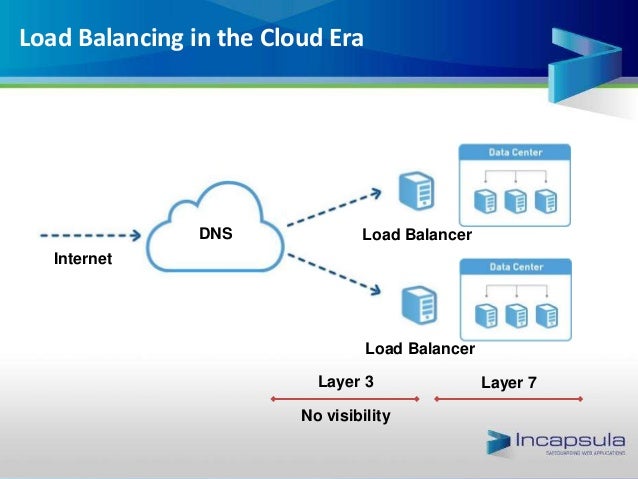
This article will delve into the intricacies of cloud load balancing, exploring its fundamental principles, different types, and the significant business impact it has. We’ll examine how it contributes to improved uptime, enhanced performance, cost optimization, and overall business agility. Whether you’re a seasoned IT professional or a business leader looking to leverage the power of the cloud, understanding cloud load balancing is essential for building a resilient and scalable infrastructure that can support your organization’s growth and success.
Understanding Cloud Load Balancing: The Fundamentals
At its core, cloud load balancing is the process of distributing network traffic across multiple servers or instances within a cloud environment. This ensures that no single server is overwhelmed, preventing performance bottlenecks and maintaining high availability. It acts as a traffic director, intelligently routing incoming requests to the most available and responsive server based on predefined algorithms and health checks.
Key Concepts in Cloud Load Balancing
Several key concepts underpin the functionality of cloud load balancing:
- Distribution Algorithms: These algorithms determine how traffic is distributed across the available servers. Common algorithms include Round Robin (distributes traffic sequentially), Least Connections (sends traffic to the server with the fewest active connections), and Weighted Distribution (allocates traffic based on server capacity or priority).
- Health Checks: Load balancers regularly monitor the health of each server to ensure it’s functioning correctly. If a server fails a health check, the load balancer automatically removes it from the pool of available servers until it recovers.
- Session Persistence (Sticky Sessions): In some applications, it’s crucial to ensure that a user’s requests are consistently routed to the same server throughout a session. Session persistence allows the load balancer to maintain this affinity, ensuring a seamless user experience.
- Scalability: Cloud load balancers are designed to scale automatically as traffic demands increase. They can dynamically add or remove servers to the pool based on predefined rules or real-time monitoring.
Types of Cloud Load Balancers
Cloud providers offer various types of load balancers, each designed to handle different types of traffic and application architectures. Understanding the different types is crucial for selecting the right solution for your specific needs.
Layer 4 (TCP) Load Balancers
Layer 4 load balancers operate at the transport layer of the OSI model, focusing on TCP and UDP protocols. They distribute traffic based on IP addresses and port numbers, making them ideal for handling simple, high-volume traffic. They are typically used for non-HTTP traffic or when minimal processing overhead is required.
Layer 7 (HTTP/HTTPS) Load Balancers
Layer 7 load balancers operate at the application layer of the OSI model, allowing them to inspect the content of HTTP and HTTPS requests. This enables more sophisticated routing decisions based on factors such as URL, headers, and cookies. They can also perform tasks such as SSL termination, content-based routing, and request modification, making them ideal for web applications and APIs. For more information, you can refer to cloud as an additional resource.
Global Load Balancers
Global load balancers distribute traffic across multiple geographic regions, ensuring high availability and low latency for users around the world. They can route traffic to the closest available data center, improving performance and reducing latency. They also provide disaster recovery capabilities, automatically redirecting traffic to a backup data center in the event of an outage.
Internal Load Balancers
Internal load balancers distribute traffic within a private network or virtual private cloud (VPC), providing high availability and scalability for internal applications and services. They are typically used to load balance traffic between different tiers of an application or between different microservices.
The Business Impact of Cloud Load Balancing
Implementing cloud load balancing can have a significant impact on a business, leading to improved performance, enhanced reliability, and cost optimization. Here’s a closer look at the key benefits:
Improved Uptime and Availability
One of the primary benefits of cloud load balancing is improved uptime and availability. By distributing traffic across multiple servers, it eliminates single points of failure. If one server goes down, the load balancer automatically redirects traffic to the remaining healthy servers, ensuring that the application remains available to users. This is crucial for businesses that rely on their applications to be available 24/7.
Enhanced Performance and User Experience
Cloud load balancing can significantly improve application performance and user experience. By distributing traffic evenly across multiple servers, it prevents any single server from becoming overloaded, leading to faster response times and reduced latency. This results in a smoother, more responsive user experience, which can lead to increased customer satisfaction and engagement.
Scalability and Elasticity
Cloud load balancing enables businesses to scale their applications easily and efficiently. As traffic demands increase, the load balancer can automatically add more servers to the pool, ensuring that the application can handle the increased load without any performance degradation. This scalability is essential for businesses that experience seasonal traffic spikes or rapid growth.
Cost Optimization
While there is a cost associated with implementing and maintaining cloud load balancing, it can ultimately lead to cost optimization. By efficiently distributing traffic and scaling resources as needed, businesses can avoid over-provisioning their infrastructure. They can also take advantage of pay-as-you-go pricing models offered by cloud providers, only paying for the resources they actually use.
Disaster Recovery and Business Continuity
Cloud load balancing plays a crucial role in disaster recovery and business continuity. By distributing traffic across multiple geographic regions, businesses can ensure that their applications remain available even in the event of a regional outage. Global load balancers can automatically redirect traffic to a backup data center in a different region, minimizing downtime and ensuring business continuity.
Choosing the Right Cloud Load Balancing Solution
Selecting the right cloud load balancing solution is crucial for maximizing its benefits. Here are some factors to consider when making your decision:
Application Requirements
The first step is to understand the specific requirements of your application. Consider the type of traffic it handles (HTTP/HTTPS, TCP, UDP), the required level of session persistence, and the need for global distribution. This will help you narrow down the list of potential solutions.
Scalability Needs
Assess your scalability needs and choose a load balancer that can handle your current and future traffic demands. Consider the ability to automatically scale resources up or down based on real-time traffic patterns.
Security Considerations
Security is a paramount concern. Ensure that the load balancer offers robust security features, such as SSL termination, DDoS protection, and integration with security information and event management (SIEM) systems.
Cost and Pricing Model
Compare the costs and pricing models of different load balancing solutions. Consider factors such as hourly usage fees, data transfer charges, and any additional costs for features such as SSL certificates or support.
Integration with Existing Infrastructure
Ensure that the load balancer integrates seamlessly with your existing cloud infrastructure, including your virtual networks, security groups, and monitoring tools. This will simplify deployment and management.
Conclusion
Cloud load balancing is an indispensable component of modern cloud infrastructure, offering numerous benefits for businesses of all sizes. By intelligently distributing traffic, it ensures high availability, enhances performance, and enables scalability, leading to improved user experiences and cost optimization. Understanding the different types of load balancers and their respective capabilities is crucial for selecting the right solution for your specific needs.
As businesses continue to migrate to the cloud and rely on their applications to drive revenue and customer engagement, the importance of cloud load balancing will only continue to grow. By investing in a robust and well-configured load balancing solution, businesses can ensure that their applications are always available, perform optimally, and can scale to meet the demands of a rapidly changing digital landscape.
Ultimately, cloud load balancing is not just a technical solution; it’s a strategic investment that can have a profound impact on a business’s bottom line. By prioritizing uptime, performance, and scalability, businesses can build a resilient and agile infrastructure that can support their growth and success in the cloud.
Frequently Asked Questions (FAQ) about Understanding Cloud Load Balancing and Its Business Impact
How does cloud load balancing specifically improve website performance and user experience, and what are the key metrics to measure this improvement?
Cloud load balancing significantly enhances website performance and user experience by distributing incoming network traffic across multiple servers. This prevents any single server from becoming overloaded, ensuring consistent response times and preventing downtime. Key metrics to measure this improvement include: response time (the time it takes for a server to respond to a request), latency (the delay in data transfer), throughput (the amount of data processed over a period), and uptime (the percentage of time the website is available). By monitoring these metrics, businesses can ensure that their load balancing configuration is effectively optimizing performance and providing a positive user experience, ultimately leading to increased customer satisfaction and retention. Furthermore, improved site speed can positively impact SEO rankings.
What are the different types of cloud load balancers available (e.g., HTTP(S), TCP, UDP), and how do I choose the right type for my specific application and traffic requirements?
There are several types of cloud load balancers, each designed for specific protocols and traffic patterns. HTTP(S) load balancers are used for web traffic and can handle SSL termination and content-based routing. TCP load balancers are suitable for applications requiring reliable, connection-oriented communication, such as databases and email servers. UDP load balancers are designed for applications that prioritize speed over reliability, like video streaming and online gaming. Choosing the right type depends on your application’s protocol, traffic characteristics, and performance requirements. For web applications, HTTP(S) is often preferred. For raw network traffic, TCP or UDP balancers might be more appropriate. Consider factors like session persistence, security, and the ability to handle dynamic workloads when making your decision. Properly selecting your load balancer can dramatically improve application stability and performance.
Beyond preventing server overload, what are some less obvious but significant business benefits of implementing cloud load balancing for my online services and infrastructure?
Beyond preventing server overload, cloud load balancing offers several less obvious but significant business benefits. Firstly, it enhances scalability, allowing businesses to easily scale their infrastructure up or down based on demand, optimizing resource utilization and cost efficiency. Secondly, it improves fault tolerance, as traffic is automatically redirected away from failing servers, minimizing downtime and ensuring business continuity. Thirdly, load balancing facilitates easier maintenance and deployments; updates and patches can be applied to servers without interrupting service. Fourthly, it can improve security by distributing traffic, making it harder for malicious actors to target a specific server. This robust infrastructure translates to improved customer satisfaction, reduced operational costs, and increased business agility, allowing companies to respond quickly to changing market demands and maintain a competitive edge. The ability to seamlessly handle traffic spikes is a crucial advantage in today’s fast-paced digital environment.


