
How Cloud Technology Is Revolutionizing Digital Marketing
The digital marketing landscape is in a constant state of evolution, driven by technological advancements and changing consumer behaviors. One of the most significant forces shaping this evolution is cloud technology. From data analytics to campaign management and customer relationship management (CRM), the cloud has permeated nearly every aspect of digital marketing, offering unprecedented scalability, flexibility, and cost-effectiveness. This isn’t just about moving existing software to the internet; it’s a fundamental shift in how marketers operate, collaborate, and engage with their audiences.
Before the cloud, digital marketing often relied on disparate systems and on-premise infrastructure, leading to data silos, limited collaboration, and high upfront costs. Campaigns were often reactive rather than proactive, and data analysis was a laborious and time-consuming process. The cloud has democratized access to sophisticated marketing tools, empowering businesses of all sizes to compete on a more level playing field. It allows for real-time data analysis, personalized customer experiences, and agile campaign management, all while reducing the burden on IT resources.
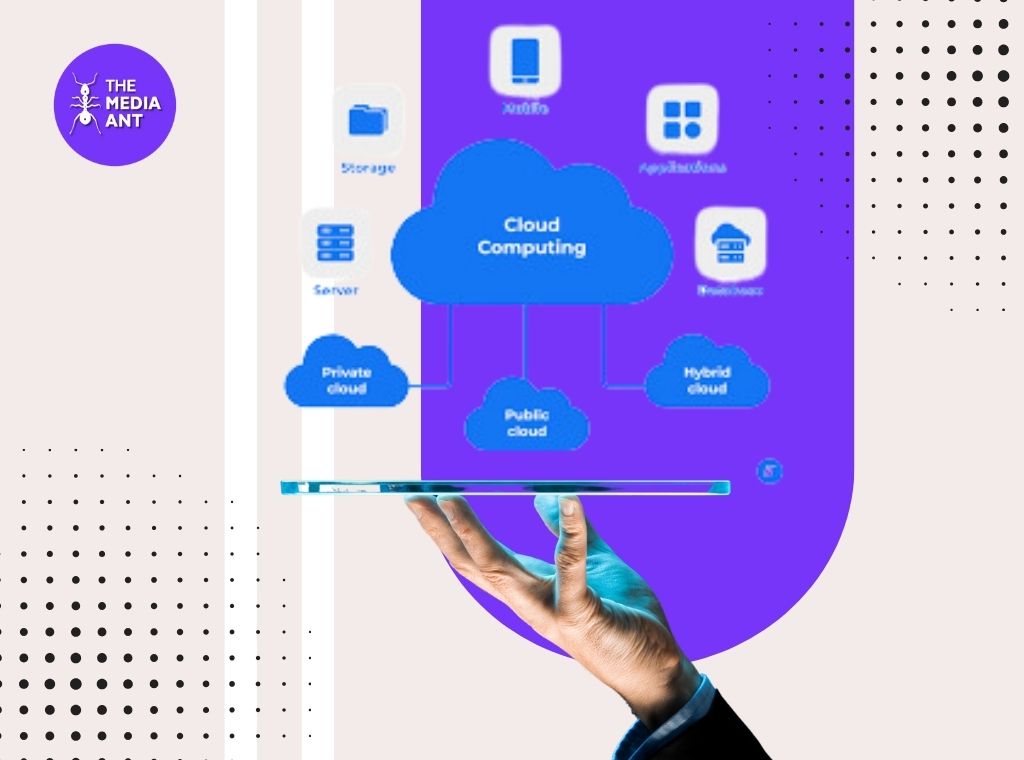
This article will delve into the ways in which cloud technology is revolutionizing digital marketing, exploring its key benefits, applications, and future trends. We’ll examine how cloud-based solutions are transforming various marketing functions, from content creation and distribution to social media management and advertising. We’ll also discuss the challenges and considerations associated with adopting cloud-based marketing technologies and provide insights into how businesses can leverage the cloud to achieve their marketing goals.
The Core Benefits of Cloud Technology for Digital Marketing
Cloud technology offers a multitude of benefits that directly address the challenges faced by modern digital marketers. These advantages extend beyond simple cost savings and encompass enhanced agility, scalability, and data-driven decision-making.
Enhanced Scalability and Flexibility
One of the most significant advantages of cloud-based marketing platforms is their inherent scalability. Unlike traditional on-premise systems, cloud solutions can easily scale up or down to meet fluctuating demands. During peak seasons or large-scale campaigns, marketers can seamlessly increase their computing resources without investing in additional hardware. This flexibility allows businesses to adapt quickly to changing market conditions and customer needs.
Cost-Effectiveness and Reduced IT Burden
Cloud solutions typically operate on a subscription basis, eliminating the need for large upfront investments in hardware and software licenses. This pay-as-you-go model allows businesses to allocate their resources more efficiently and reduce their total cost of ownership (TCO). Furthermore, cloud providers handle the maintenance, security, and updates of the infrastructure, freeing up internal IT teams to focus on more strategic initiatives. This reduced IT burden allows marketing teams to concentrate on their core competencies – creating compelling content and engaging with their audience.
Improved Collaboration and Accessibility
Cloud-based platforms facilitate seamless collaboration among marketing teams, regardless of their location. Team members can access and share data, documents, and marketing assets from anywhere with an internet connection. This improved accessibility enhances productivity and streamlines workflows, allowing for faster campaign execution and better coordination across different marketing functions. Centralized data storage ensures that everyone is working with the most up-to-date information, minimizing errors and inconsistencies.
Data-Driven Insights and Real-Time Analytics
Cloud technology empowers marketers with powerful data analytics capabilities. Cloud-based marketing platforms can collect, process, and analyze vast amounts of data from various sources, providing valuable insights into customer behavior, campaign performance, and market trends. Real-time analytics dashboards enable marketers to track key metrics and make data-driven decisions on the fly. This ability to analyze data in real-time allows for agile campaign optimization and personalized customer experiences.
Key Applications of Cloud Technology in Digital Marketing
The benefits of cloud technology are realized through its application across various digital marketing functions. Here are some key areas where the cloud is making a significant impact:
Cloud-Based CRM (Customer Relationship Management)
CRM systems are the backbone of many digital marketing strategies, enabling businesses to manage customer interactions and personalize their marketing efforts. Cloud-based CRM solutions offer a centralized platform for storing and managing customer data, tracking interactions, and automating marketing tasks. These platforms provide a 360-degree view of the customer, enabling marketers to deliver more relevant and targeted messages.
Marketing Automation Platforms
Marketing automation platforms streamline and automate repetitive marketing tasks, such as email marketing, social media posting, and lead nurturing. Cloud-based marketing automation solutions offer a comprehensive suite of tools for creating, managing, and tracking marketing campaigns. These platforms allow marketers to personalize their communications, segment their audience, and automate follow-up actions based on customer behavior. For more information, you can refer to cloud as an additional resource.
Content Management Systems (CMS)
Content is king in digital marketing, and cloud-based CMS platforms provide a centralized hub for creating, managing, and distributing content across various channels. These platforms offer features such as drag-and-drop editors, workflow management tools, and SEO optimization capabilities. Cloud-based CMS solutions enable marketers to create and publish engaging content quickly and efficiently, while ensuring consistency across all channels.
Social Media Management Tools
Social media has become an integral part of digital marketing, and cloud-based social media management tools help marketers manage their presence across multiple platforms. These tools offer features such as social media scheduling, monitoring, and analytics. They allow marketers to track brand mentions, engage with their audience, and measure the effectiveness of their social media campaigns.
Advertising Platforms
Cloud-based advertising platforms provide marketers with the tools they need to create, manage, and optimize their online advertising campaigns. These platforms offer features such as audience targeting, ad creation, and performance tracking. They enable marketers to reach their target audience with relevant ads and measure the return on their advertising investment.
Challenges and Considerations When Adopting Cloud-Based Marketing Technologies
While cloud technology offers numerous benefits, it’s essential to be aware of the challenges and considerations associated with adopting cloud-based marketing technologies.
Data Security and Privacy
Data security and privacy are paramount concerns when moving marketing data to the cloud. Businesses must ensure that their cloud providers have robust security measures in place to protect sensitive customer data from unauthorized access and breaches. It’s also crucial to comply with data privacy regulations, such as GDPR and CCPA, which require businesses to protect the privacy of their customers’ personal information.
Integration with Existing Systems
Integrating cloud-based marketing platforms with existing on-premise systems can be a complex and challenging task. Businesses need to ensure that their cloud solutions are compatible with their existing infrastructure and that data can be seamlessly transferred between systems. Integration issues can lead to data silos, workflow disruptions, and inaccurate reporting.
Vendor Lock-In
Vendor lock-in is a potential risk when adopting cloud-based solutions. Switching cloud providers can be a costly and time-consuming process, as it may involve migrating data, reconfiguring systems, and retraining staff. Businesses should carefully evaluate the long-term implications of choosing a particular cloud provider and ensure that they have a clear exit strategy in place.
Skills Gap
Implementing and managing cloud-based marketing technologies requires specialized skills and expertise. Businesses may need to invest in training their existing staff or hire new employees with the necessary skills. A lack of skilled personnel can hinder the successful adoption of cloud solutions and limit their potential benefits.
Choosing the Right Cloud-Based Marketing Solution
Selecting the right cloud-based marketing solution is crucial for achieving your marketing goals. Here are some key factors to consider:
Identify Your Business Needs and Objectives
Before evaluating different cloud solutions, it’s essential to clearly define your business needs and objectives. What marketing challenges are you trying to solve? What specific features and functionalities do you require? What are your budget constraints? By answering these questions, you can narrow down your options and focus on solutions that align with your business goals.
Evaluate Different Vendors and Solutions
Once you have a clear understanding of your needs, it’s time to evaluate different vendors and solutions. Consider factors such as pricing, features, scalability, security, and customer support. Read reviews, compare features, and request demos to get a better understanding of each solution’s capabilities.
Consider Integration Capabilities
Ensure that the cloud solution you choose can be seamlessly integrated with your existing systems. Integration capabilities are crucial for avoiding data silos and ensuring that data can be easily shared between different applications. Look for solutions that offer APIs or pre-built integrations with your existing CRM, CMS, and other marketing tools.
Assess Security and Compliance
Data security and compliance are paramount. Ensure that the cloud provider has robust security measures in place to protect your data and that they comply with relevant data privacy regulations. Ask about their security certifications, data encryption practices, and disaster recovery plans.
Plan for Implementation and Training
Develop a detailed implementation plan that outlines the steps involved in migrating your data, configuring the system, and training your staff. Allocate sufficient resources to ensure a smooth and successful implementation. Provide comprehensive training to your staff to ensure that they can effectively use the new cloud solution.
The Future of Cloud Technology in Digital Marketing
The role of cloud technology in digital marketing will only continue to grow in the coming years. Here are some key trends to watch:
Artificial Intelligence (AI) and Machine Learning (ML)
AI and ML are being increasingly integrated into cloud-based marketing platforms to automate tasks, personalize customer experiences, and improve campaign performance. AI-powered chatbots, predictive analytics, and personalized content recommendations are just a few examples of how AI is transforming digital marketing.
Edge Computing
Edge computing is bringing data processing closer to the source of data, enabling faster response times and improved performance for applications that require real-time analysis. This is particularly relevant for mobile marketing and location-based advertising.
Serverless Computing
Serverless computing allows developers to build and run applications without managing servers, reducing the operational overhead and allowing them to focus on innovation. This is enabling marketers to develop and deploy new marketing applications more quickly and efficiently.
Composable Marketing
Composable marketing involves building marketing technology stacks from best-of-breed, modular components that can be easily assembled and reconfigured to meet changing business needs. Cloud technology enables this approach by providing access to a wide range of specialized marketing tools and services that can be integrated through APIs.
In conclusion, cloud technology is fundamentally changing the way digital marketing is done. By embracing cloud-based solutions, businesses can gain a competitive edge, improve their marketing effectiveness, and deliver more personalized and engaging customer experiences. While challenges exist, the benefits of cloud technology far outweigh the risks, making it an essential tool for any modern marketer.
Frequently Asked Questions (FAQ) about How Cloud Technology Is Revolutionizing Digital Marketing
How does using cloud-based platforms in digital marketing improve data management and analysis for better campaign performance?
Cloud-based platforms are transforming digital marketing by significantly improving data management and analysis. These platforms offer centralized storage and processing capabilities, allowing marketers to consolidate data from various sources like CRM systems, social media, and website analytics. This unified view of customer data enables more accurate segmentation and targeting. Furthermore, cloud solutions provide access to powerful analytics tools, including machine learning algorithms, that can identify patterns and insights that would be impossible to detect manually. By leveraging these insights, marketers can optimize their campaigns in real-time, personalize customer experiences, and ultimately achieve better ROI. Cloud scalability also ensures that these platforms can handle growing data volumes without compromising performance.
What are the key benefits of adopting cloud-based marketing automation tools for small to medium-sized businesses (SMBs)?
Adopting cloud-based marketing automation tools offers numerous advantages for SMBs. Firstly, reduced upfront costs are a major benefit. Cloud solutions typically operate on a subscription basis, eliminating the need for expensive hardware and software licenses. Secondly, cloud-based tools offer enhanced scalability, allowing SMBs to easily adjust their resources as their business grows. This flexibility is crucial for managing fluctuating marketing demands. Furthermore, these tools automate repetitive tasks such as email marketing, social media posting, and lead nurturing, freeing up valuable time for marketing teams to focus on strategic initiatives. Finally, cloud platforms offer improved collaboration and accessibility, enabling teams to work together efficiently from anywhere with an internet connection. This increased efficiency and reduced costs make cloud-based marketing automation a powerful tool for SMBs.
In what ways does cloud technology enhance personalization and customer experience in digital marketing campaigns?
Cloud technology significantly enhances personalization and customer experience in digital marketing campaigns through several key mechanisms. Cloud-based CRM and data management platforms allow marketers to collect, store, and analyze vast amounts of customer data, including demographics, purchase history, and browsing behavior. This data is then used to create highly targeted and personalized marketing messages. For example, marketers can use cloud-based email marketing platforms to send personalized emails based on individual customer preferences. Furthermore, cloud-based AI and machine learning tools can analyze customer data in real-time to predict customer behavior and deliver personalized recommendations. This level of personalization leads to increased engagement, improved customer satisfaction, and higher conversion rates. The ability to deliver relevant and timely content through cloud-powered platforms is a game-changer for creating exceptional customer experiences.


