Building High-Availability Systems with Multi-Cloud Architecture
In today’s digital landscape, businesses depend on their IT systems for nearly every aspect of their operations. From customer relationship management (CRM) to supply chain management, uninterrupted access to these systems is critical. Any downtime can lead to lost revenue, damaged reputation, and decreased productivity. This is where high availability (HA) comes into play. High availability systems are designed to minimize downtime and ensure business continuity, even in the face of failures.
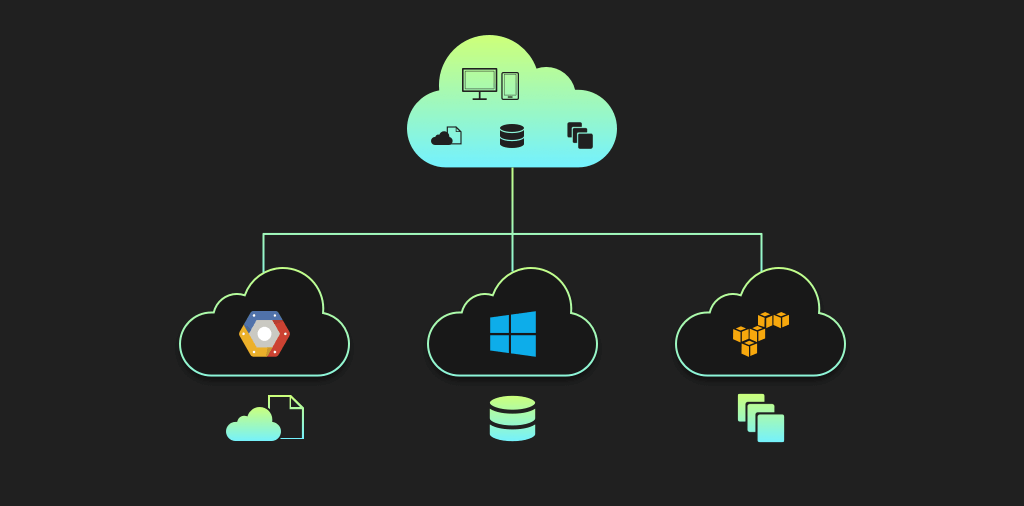
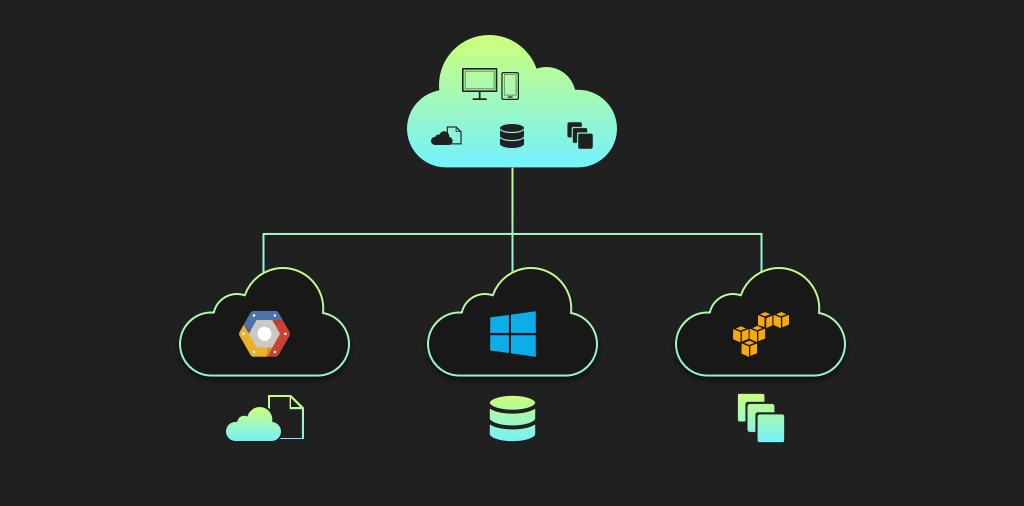
Traditional high availability solutions often involve complex and expensive infrastructure, such as redundant servers and specialized software. However, the rise of cloud computing has opened up new possibilities for building HA systems in a more cost-effective and flexible way. Multi-cloud architecture, in particular, offers a powerful approach to achieving high availability by distributing applications and data across multiple cloud providers. This strategy mitigates the risk of a single point of failure and provides resilience against regional outages or provider-specific issues.
This article will explore the concept of building high-availability systems using a multi-cloud architecture. We will delve into the benefits, challenges, and best practices involved in designing and implementing such a solution. We will also examine the various architectural patterns and technologies that can be used to achieve high availability in a multi-cloud environment. Whether you are a seasoned IT professional or just starting to explore the possibilities of cloud computing, this article will provide valuable insights into building resilient and reliable systems that can withstand the demands of today’s always-on world.
Understanding High Availability (HA)
High availability (HA) refers to the ability of a system to remain operational and accessible even in the event of failures. It’s typically measured in terms of uptime, often expressed as a percentage. For example, a system with 99.99% uptime (four nines) is expected to be unavailable for only about 52 minutes per year.
Key Concepts in HA
Several key concepts are fundamental to understanding and implementing high availability:
- Redundancy: Having multiple instances of critical components, such as servers, databases, and network devices, to ensure that a backup is available if one fails.
- Failover: The automatic switching to a redundant component when the primary component fails. This process should be seamless and minimize downtime.
- Load Balancing: Distributing traffic across multiple servers to prevent any single server from becoming overloaded and potentially failing.
- Monitoring: Continuously monitoring the health and performance of all system components to detect failures early and trigger failover mechanisms.
- Disaster Recovery (DR): A plan for recovering from major disruptions, such as natural disasters or large-scale outages, that can affect entire regions or data centers.
Why is HA Important?
High availability is crucial for businesses that rely on their IT systems for critical operations. Downtime can have significant consequences, including:. For more information, you can refer to cloud as an additional resource.
- Lost Revenue: In e-commerce or transaction-based businesses, even a few minutes of downtime can result in significant revenue loss.
- Damaged Reputation: Frequent or prolonged outages can erode customer trust and damage a company’s reputation.
- Decreased Productivity: Downtime can disrupt employee workflows and reduce productivity.
- Financial Penalties: Some service level agreements (SLAs) with customers may include penalties for downtime.
- Legal and Regulatory Compliance: In certain industries, such as finance and healthcare, regulations require high levels of system availability.
What is Multi-Cloud Architecture?
Multi-cloud architecture involves using cloud services from multiple cloud providers, such as Amazon Web Services (AWS), Microsoft Azure, and Google Cloud Platform (GCP). This approach allows businesses to leverage the strengths of each cloud provider and avoid vendor lock-in.
Benefits of Multi-Cloud Architecture
Adopting a multi-cloud strategy offers several advantages:
- Increased Resilience: By distributing applications and data across multiple cloud providers, businesses can mitigate the risk of a single point of failure. If one provider experiences an outage, the other providers can continue to operate.
- Reduced Vendor Lock-in: Multi-cloud architecture prevents businesses from becoming overly dependent on a single cloud provider. This gives them more flexibility to negotiate pricing and switch providers if necessary.
- Optimized Performance: Different cloud providers may offer better performance for specific workloads. Multi-cloud allows businesses to choose the best platform for each application.
- Compliance and Data Sovereignty: Some countries have regulations that require data to be stored within their borders. Multi-cloud can help businesses comply with these regulations by storing data in the appropriate regions.
- Cost Optimization: By comparing pricing across different cloud providers, businesses can optimize their cloud spending and take advantage of discounts and promotions.
Challenges of Multi-Cloud Architecture
While multi-cloud offers many benefits, it also presents some challenges:
- Complexity: Managing multiple cloud environments can be complex and require specialized skills.
- Security: Ensuring consistent security policies across different cloud providers can be challenging.
- Data Management: Moving data between different cloud providers can be difficult and time-consuming.
- Integration: Integrating applications and services across different cloud providers can be complex.
- Cost Management: Tracking and managing costs across multiple cloud providers can be challenging.
Building High-Availability Systems with Multi-Cloud
Combining high availability principles with multi-cloud architecture creates a powerful approach to building resilient and reliable systems. Here’s how you can achieve this:
Architectural Patterns for Multi-Cloud HA
Several architectural patterns can be used to build high-availability systems in a multi-cloud environment:
Active-Active
In an active-active configuration, all instances of an application are actively serving traffic. If one instance fails, traffic is automatically routed to the remaining instances. This pattern provides the highest level of availability but requires careful consideration of data consistency and synchronization.
Active-Passive
In an active-passive configuration, one instance of an application is actively serving traffic, while the other instance is in standby mode. If the active instance fails, the passive instance is automatically activated. This pattern is simpler to implement than active-active but may result in a brief period of downtime during failover.
Geo-Distributed
This pattern involves deploying applications and data across multiple geographic regions. This provides resilience against regional outages and ensures that users are always served from the closest available location.
Key Considerations for Implementation
When implementing a multi-cloud HA solution, consider the following:
Data Synchronization
Ensuring data consistency across multiple cloud providers is crucial. Choose appropriate data synchronization mechanisms based on the specific requirements of your application. Options include synchronous replication, asynchronous replication, and eventual consistency.
Network Connectivity
Establishing reliable network connectivity between different cloud providers is essential. Consider using VPNs, direct connections, or cloud interconnect services to ensure low latency and high bandwidth.
Monitoring and Alerting
Implement comprehensive monitoring and alerting to detect failures early and trigger failover mechanisms. Use monitoring tools that can monitor resources across multiple cloud providers.
Automation
Automate as many tasks as possible, including deployment, configuration, and failover. This will reduce the risk of human error and speed up recovery times.
Security
Implement consistent security policies across all cloud providers. Use identity and access management (IAM) tools to control access to resources. Encrypt data at rest and in transit.
Example Scenario: E-commerce Platform
Let’s consider an example of an e-commerce platform built using a multi-cloud HA architecture. The platform could be deployed across AWS and Azure. The application servers could be deployed in an active-active configuration across both clouds, with a load balancer distributing traffic between them. The database could be replicated across both clouds using asynchronous replication. In the event of an AWS outage, the load balancer would automatically route all traffic to the Azure instances. This ensures that the platform remains available even if one cloud provider experiences an outage.
Best Practices for Multi-Cloud HA
To ensure the success of your multi-cloud HA implementation, follow these best practices:
- Start Small: Begin with a pilot project to test your multi-cloud HA architecture and processes.
- Automate Everything: Automate as much as possible to reduce the risk of human error and speed up recovery times.
- Monitor Continuously: Implement comprehensive monitoring and alerting to detect failures early.
- Test Regularly: Regularly test your failover mechanisms to ensure that they work as expected.
- Document Everything: Document your multi-cloud HA architecture, processes, and procedures.
- Train Your Team: Ensure that your team has the skills and knowledge necessary to manage a multi-cloud HA environment.
- Choose the Right Tools: Select tools that are designed for multi-cloud environments and can help you manage complexity.
- Consider Data Gravity: When choosing which cloud to host specific workloads, consider data gravity – the tendency for applications and services to gravitate towards the data they need to access.
Conclusion
Building high-availability systems with a multi-cloud architecture is a powerful way to ensure business continuity and resilience. By distributing applications and data across multiple cloud providers, businesses can mitigate the risk of a single point of failure and avoid vendor lock-in. While multi-cloud introduces complexity, the benefits of increased availability, reduced vendor dependence, and optimized performance often outweigh the challenges. By carefully planning, implementing, and managing your multi-cloud HA environment, you can build systems that are robust, reliable, and capable of meeting the demands of today’s always-on world.
Remember to continuously monitor, test, and refine your multi-cloud HA strategy to ensure that it remains effective and aligned with your business needs. The cloud landscape is constantly evolving, so staying informed and adapting to new technologies and best practices is crucial for long-term success.
Ultimately, a well-designed and implemented multi-cloud high-availability solution can provide peace of mind, knowing that your critical systems will remain operational even in the face of unforeseen disruptions. This allows you to focus on your core business and deliver value to your customers without the worry of downtime.
Frequently Asked Questions (FAQ) about Building High-Availability Systems with Multi-Cloud Architecture
What are the key benefits of using a multi-cloud architecture for achieving high availability and disaster recovery in my applications, and how does it differ from a single-cloud approach?
A multi-cloud architecture provides significant advantages for high availability (HA) and disaster recovery (DR) compared to a single-cloud deployment. The primary benefit is increased resilience. By distributing your application across multiple cloud providers, you eliminate a single point of failure. If one provider experiences an outage, your application can continue running on the other(s). This is especially critical for business-critical applications. Furthermore, multi-cloud enables geographic diversity, protecting against regional disasters. A single-cloud approach concentrates all your resources in one location, making you vulnerable to region-wide outages. Multi-cloud also avoids vendor lock-in, giving you more negotiating power and flexibility to choose the best services from each provider. However, multi-cloud is more complex to manage, requiring careful planning and orchestration.
How do I effectively manage data synchronization and consistency across multiple cloud providers in a multi-cloud high availability system to ensure data integrity during failover events?
Managing data synchronization and consistency across multiple cloud providers is crucial for maintaining data integrity during failover events in a multi-cloud HA system. Several strategies can be employed. One approach is using a distributed database or data replication solution that supports cross-cloud replication. This ensures data is automatically synchronized between providers. Another option is to leverage cloud-native data services that offer built-in replication capabilities. It’s vital to choose a replication strategy that meets your Recovery Point Objective (RPO) and Recovery Time Objective (RTO) requirements. Implementing robust data validation and conflict resolution mechanisms is also essential to handle potential inconsistencies. Regularly testing failover scenarios is crucial to verify data integrity and ensure smooth transitions between cloud providers. Consider the latency implications of cross-cloud data transfer when choosing a synchronization method.
What are the key considerations and best practices for implementing application load balancing and traffic management in a multi-cloud high availability environment to ensure optimal performance and minimal downtime?
Implementing effective application load balancing and traffic management is paramount for ensuring optimal performance and minimal downtime in a multi-cloud high availability environment. A key consideration is choosing a global load balancer that can distribute traffic across multiple cloud providers based on factors like performance, availability, and geographic location. Implement health checks to automatically detect and remove unhealthy instances from the load balancing pool. Utilize intelligent routing strategies such as geo-based routing or latency-based routing to direct users to the closest and fastest available resource. Employ DNS-based load balancing or a Global Traffic Manager (GTM) to distribute traffic at the DNS level. Monitor application performance and traffic patterns continuously to identify and address bottlenecks. Regularly test failover scenarios to validate the effectiveness of the load balancing configuration. This requires careful planning to avoid vendor lock-in and ensure seamless transitions.


